With FOB, your team books the main ocean freight and arranges import clearance. With DDP, the seller quotes delivery to a named place in your country and takes responsibility for import clearance and duty. If you already have a freight forwarder, start by pricing your FOB order through to your receiving dock. If you want the seller to manage delivery, start with DDP and confirm who can clear the shipment in the destination country.
Use the same boxes, packed shipment and receiving point for both quotes. A quote to a port in China and a quote to your warehouse cover different services. The figures become comparable once you know who pays each charge and where each party takes over the risk.
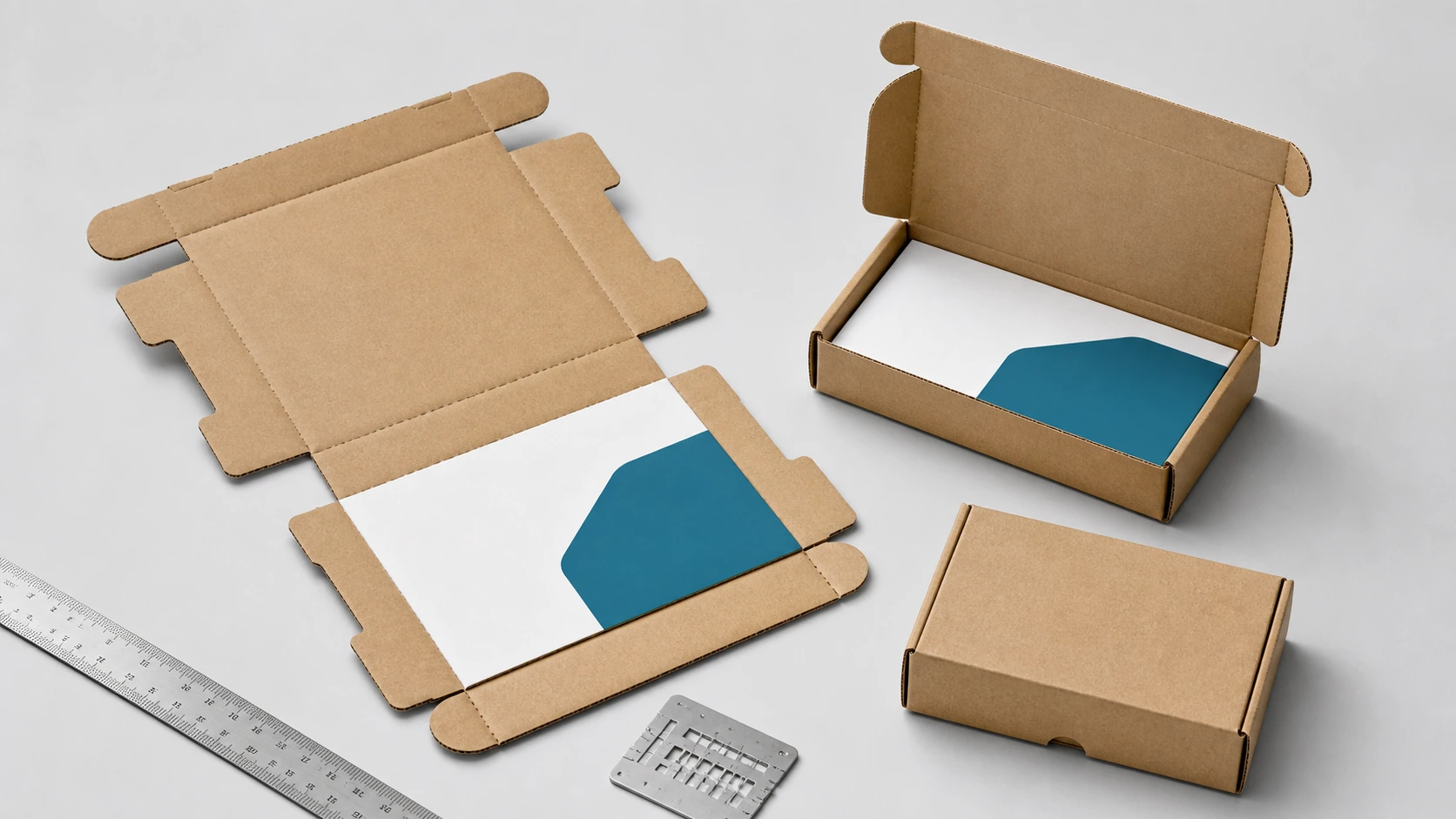
What do FOB and DDP cover?
FOB stands for Free On Board. For an ocean shipment, the seller clears the goods for export and loads them onto the vessel nominated by the buyer at the named port. Risk normally passes to the buyer once the goods are aboard. Your forwarder can then manage the main carriage, destination charges, import clearance and delivery onward. Write the origin port in the purchase order, for example “FOB Yantian, Shenzhen, China, Incoterms® 2020.” ICC rules for sea and inland waterway transport
For flat-packed cartons handed to a forwarder at a terminal or consolidation warehouse before vessel loading, confirm the actual handoff point before signing. The ICC checklist for selecting a delivery rule recommends FCA for a handoff at a container terminal.
DDP stands for Delivered Duty Paid. The seller arranges transport, handles the required customs formalities and pays applicable import duties and taxes. Risk normally passes when the cleared goods arrive at the agreed destination on the delivery vehicle, ready for unloading. The buyer usually handles unloading. Confirm whether the carrier’s quote covers any unloading service and specify the full warehouse address and receiving dock in the purchase order. ICC rules for DDP
Compare the quotes at the same receiving dock
Suppose you’re ordering 6,000 printed corrugated mailers. Both quotes cover the same box dimensions, board, artwork and packed shipment. You’ll handle unloading at your warehouse under either option. These figures are illustrative and are in US dollars.
| Cost item | USD |
|---|---|
| FOB supplier quote | $3,840 |
| Ocean freight | $620 |
| Destination handling and deconsolidation | $265 |
| Customs brokerage | $110 |
| Estimated duties and nonrecoverable import charges | $355 |
| Final trucking | $260 |
| Buyer-selected cargo insurance | $50 |
| FOB total to the warehouse | $5,500 |
| DDP quote to the same warehouse | $5,550 |
The FOB option costs about $0.917 per box delivered and the DDP option costs $0.925. The difference is $50 across the order. If your FOB trucking quote later adds a $120 delivery-appointment fee, the FOB total rises to $5,620. The DDP option then costs $70 less, provided its $5,550 quote already covers that appointment.
Get the forwarder’s itemized quote before doing the calculation. A consolidated destination fee may already include handling or deconsolidation. Check which charges are included before adding separate lines. If an import tax is recoverable in your situation, track it separately as a cash-flow item and confirm who receives the paperwork needed to recover it.
What to confirm before you place the order
- Get the packed dimensions. Ask for the number of master cartons, pieces per carton, outside carton dimensions and gross weight. For palletized loads, ask for loaded pallet dimensions and whether pallets can be stacked. Use the size of the shipment as packed. An assembled rigid box and a flat-packed mailer can occupy very different amounts of freight space, even when they fit the same product.
- Confirm the importer and the paperwork. On a DDP quote, ask who will appear as importer on the customs entry, who will pay duties and taxes, and what clearance evidence will be available to you. Confirm these details with your broker if the quote asks to use your import registration or bill duty to your account. Local rules may affect who can act as importer or recover a tax. See the ICC tariff guidance for buyers and sellers.
- Confirm the receiving service. Give both parties the exact address, receiving hours and appointment requirements. Ask who arranges unloading or any liftgate service. Agree how charges will be handled if a missed appointment leads to storage or redelivery. Confirm cargo coverage and the damage-reporting process separately so your receiving team knows what to document if cartons arrive wet or crushed.
When each option makes sense
FOB makes sense when your forwarder can use your freight rates or consolidate orders and your team can manage import and delivery. Compare the booking and warehouse schedule along with the landed cost, especially when you’re buying cartons for a launch or a fixed production run.
DDP makes sense when you want the seller to coordinate the shipment through to your warehouse and can verify the import arrangement, delivery scope and available documents. Put the agreed dock, quote validity, delivery window and charge exclusions in writing before issuing the purchase order.
For a quote on custom corrugated mailers or another paper box, send My Packing the box size, quantity by SKU, destination and required arrival date. Include any warehouse or pallet requirements so the team can review packing and the agreed delivery arrangements with you. Submit your packaging brief
