Packaging Materials Chosen for Performance, Print and Cost
Selecting the right packaging materials is the foundation of a successful product launch. Compare paperboard, corrugated grades, wraps, inserts and finishing options based on what the packaging needs to protect, communicate and deliver.
Share your product, dimensions, quantity, destination and target timing. Our team will recommend the next practical step.
- Factory-Direct Coordination
- Structural & Artwork Support
- Sample Approval Before Production
- Quality Checks at Key Stages
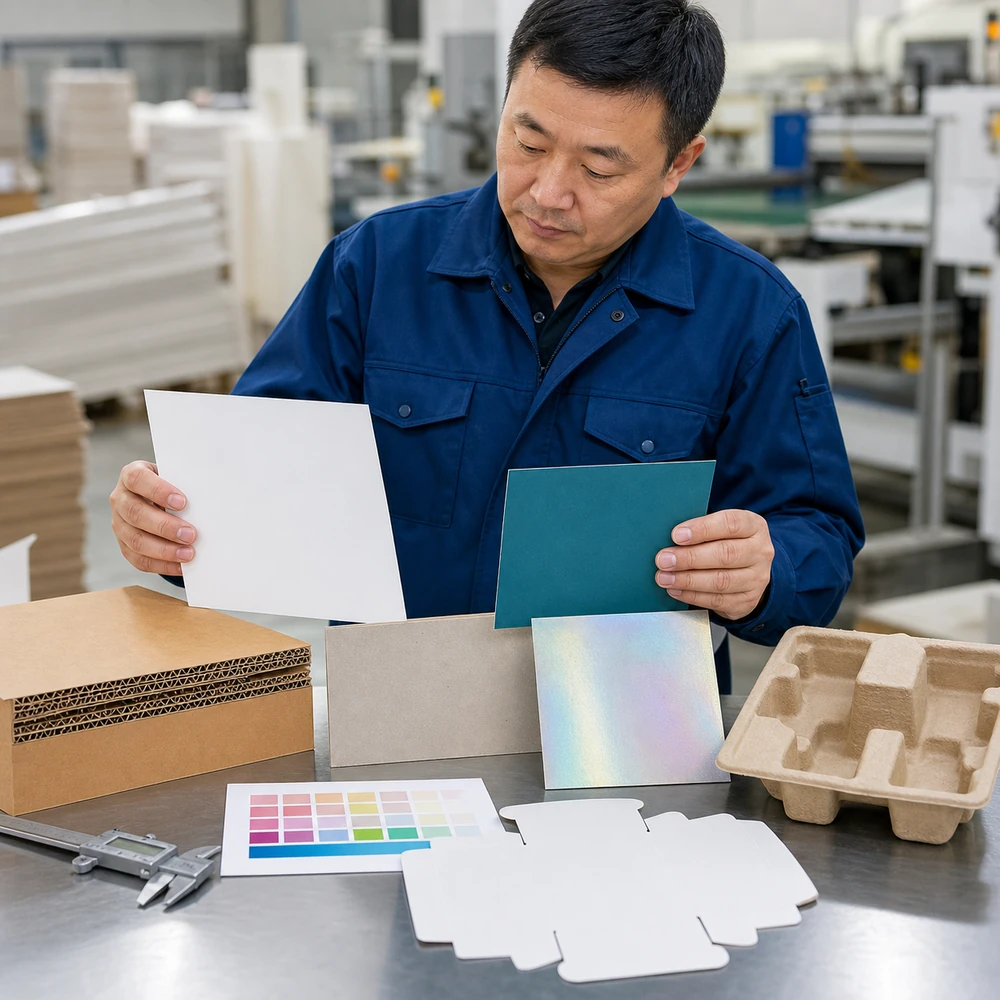
Start With the Decision You Need to Make
Every project requires a balance between structural strength, print capability, and commercial viability. Explore our core categories below to find the right baseline for your product.
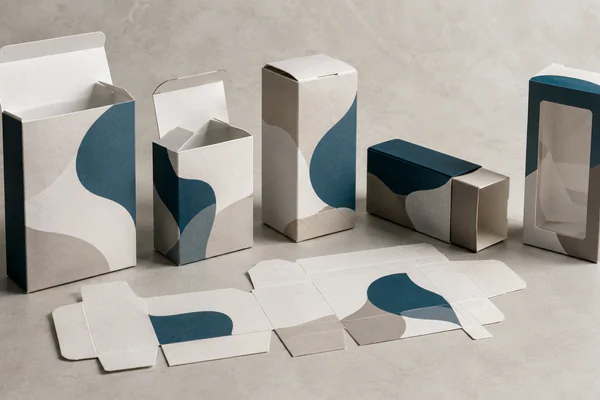
Paperboard
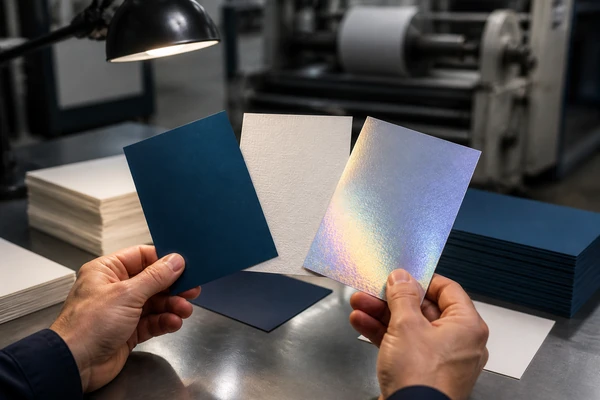
Offers smooth print surfaces ideal for folding cartons. Excellent for high-quality graphics, precise structural folds, and vibrant retail displays.
View Applications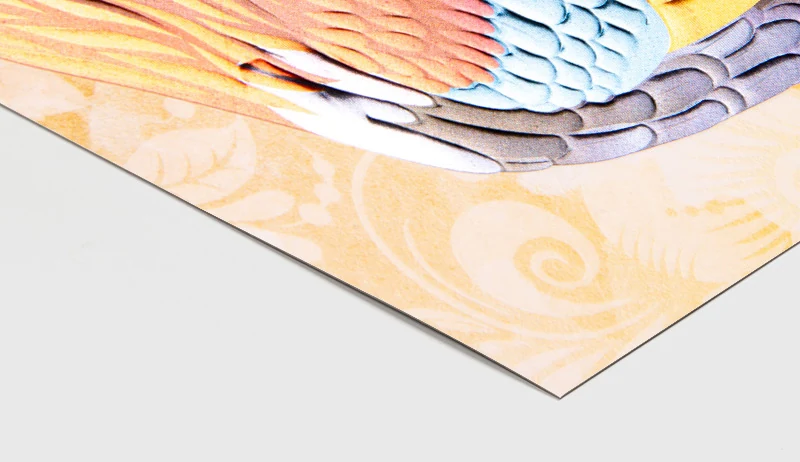
Kraft Options
Delivers a natural appearance combined with practical performance. Highly tear-resistant and perfectly suited for minimalist artwork and eco-conscious branding.
View Applications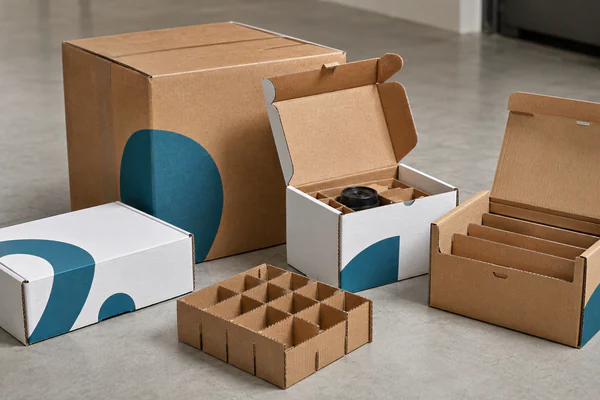
Corrugated Board
A range of flute and grade choices designed for superior protection. Ideal for mailer boxes, heavy items, and secure transit requirements.
View Applications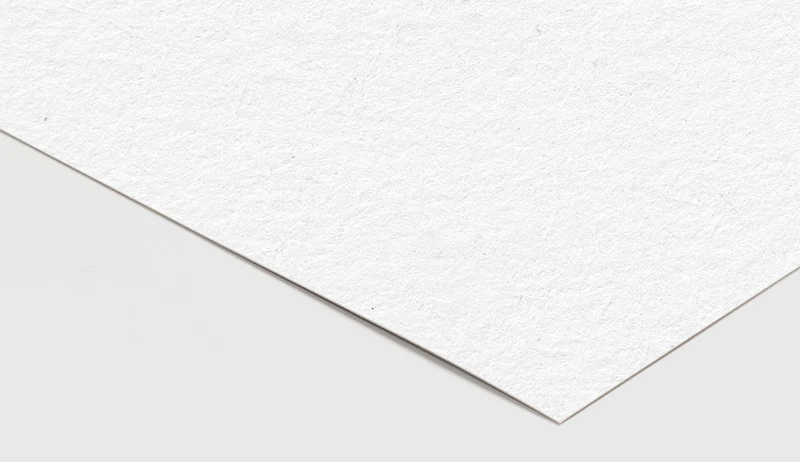
Greyboard & Wraps
The core of rigid-box structures paired with premium surface wraps. Creates a high-end, unboxing experience favored by luxury and electronic sectors.
View Applications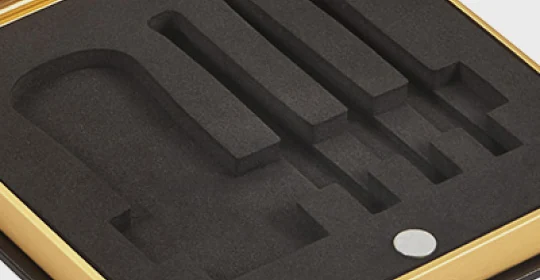
Insert Materials
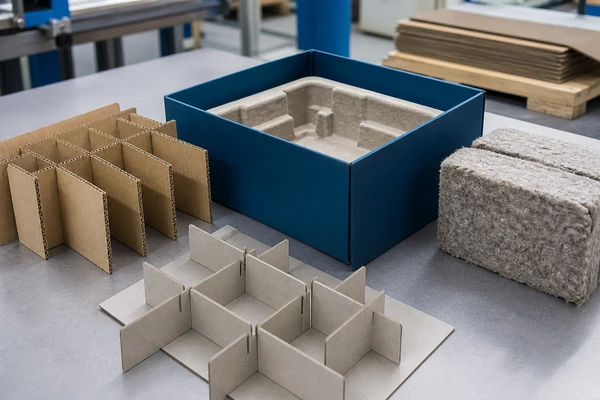
Secure your product with custom-engineered paperboard, corrugated, molded pulp, and selected foams designed specifically for your item's contours.
View Applications
Finishes
Elevate the tactile and visual appeal through lamination, hot foil stamping, embossing, debossing, and targeted spot UV applications.
View ApplicationsFrom Guidance to Production Reality
When comparing different packaging materials, structural integrity and print compatibility must be evaluated together. What looks perfect on screen must translate flawlessly onto the factory floor.
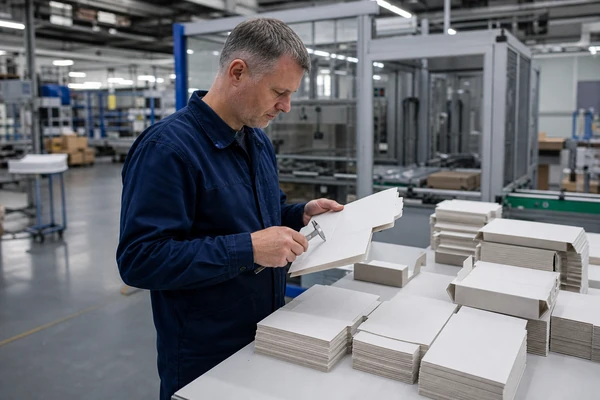
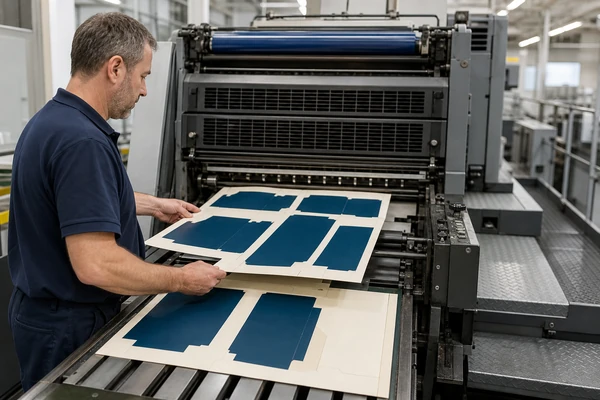
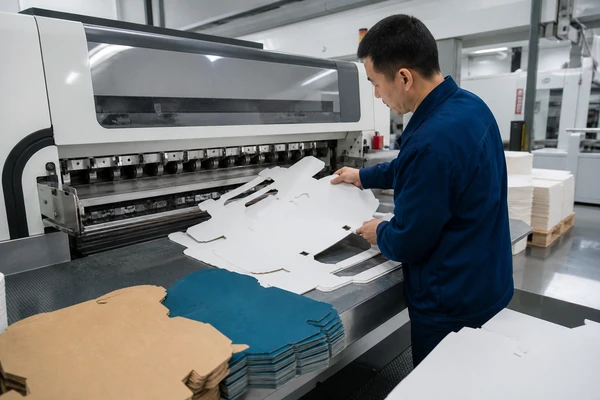
Our engineering team bridges the gap between educational specifications and actual factory output. We coordinate the intricate processes of material selection, accurate die-cutting, finish application, and rigorous quality inspection to ensure your chosen materials perform reliably during sampling, mass production, and final shipping.
Base Material Comparison Guide
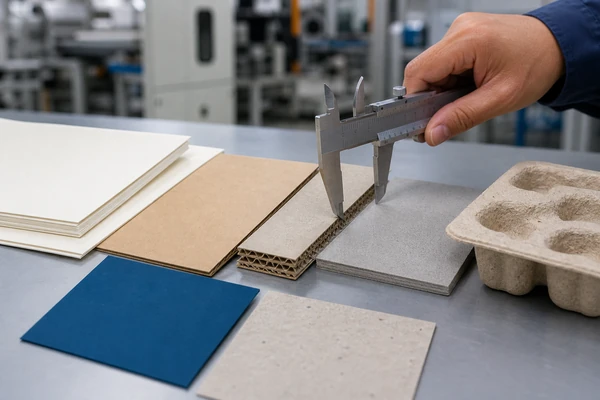
Review this structural baseline to understand how different substrates perform under various commercial requirements.
| Material Type | Primary Use Case | Printability | Structural Strength |
|---|---|---|---|
| SBS Paperboard | Cosmetics, supplements, retail folding cartons | Excellent; supports complex finishes and vibrant colors | Moderate; ideal for lightweight retail items |
| Kraft Paperboard | Organic products, eco-friendly branding, soaps | Good for dark inks and minimalist vector graphics | Moderate to High; naturally tear-resistant |
| Corrugated (E-Flute) | E-commerce mailers, subscription boxes | Good; often paired with litho-lamination for high-end print | High; excellent crush resistance for shipping |
| Rigid Greyboard | Luxury goods, electronics, premium gift boxes | Wrapped in printed paper; allows unlimited finishing options | Very High; non-collapsible premium structure |
What to Prepare Before Contacting a Manufacturer
To receive accurate structural recommendations and precise production timelines, compiling these details early ensures a structured and efficient review of your project.
Start Your ProjectDimensions & Weight
Provide the exact size (L x W x H) and weight of the product to determine material thickness.
Target Market & Use
Clarify if it is for retail display, e-commerce shipping, or a luxury presentation.
Artwork Readiness
Note if you have finalized vector files or if you require structural dielines before designing.
Quantity & Destination
Provide estimated volume and shipping destinations to optimize packing and logistics.
Frequently Asked Questions
How do I know which material thickness is right for my product?
Can I combine different finishes on the same package?
Do you provide physical material samples before full production?
What insert materials do you offer for holding products securely?
Is kraft paper always the most sustainable option?
How does the choice of material affect shipping and logistics?
Ready to finalize your packaging materials and move into production?
Submit your project details. Our team will review your specifications, recommend the most suitable structures and finishes, and coordinate the next steps for sampling and controlled manufacturing.
Email Us Directly
info@mypaperboxes.com
Factory Location
301 Xinan Road, Humen, Dongguan, Guangdong 523900, China