Box Templates and Dielines Ready for Better Artwork
Start artwork on the correct structure, understand production marks and request a custom dieline when a standard format does not fit the product. Using accurate box templates ensures your design translates flawlessly into physical manufacturing.
Share your product, dimensions, quantity, destination and target timing. Our team will recommend the next practical step.
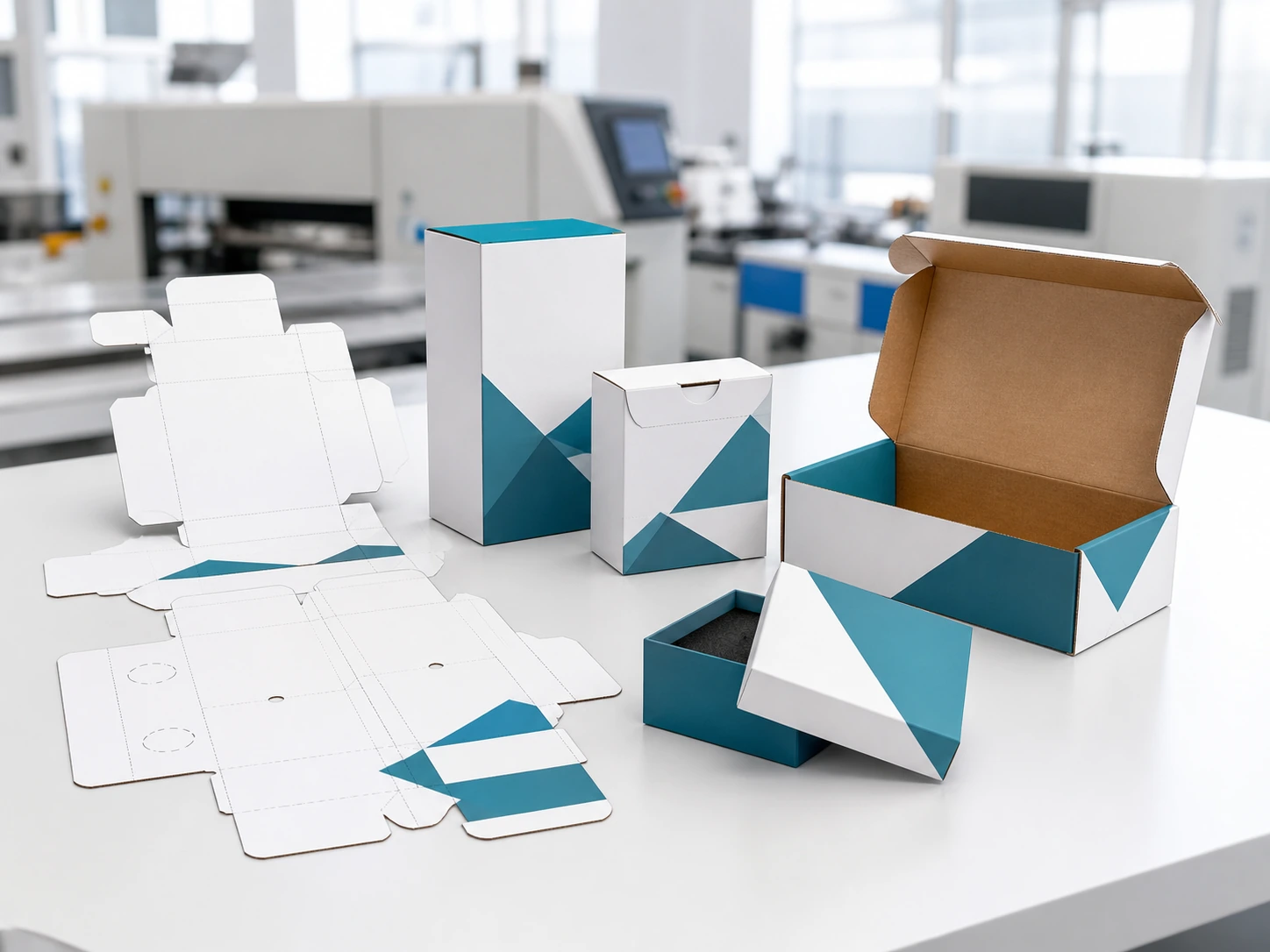
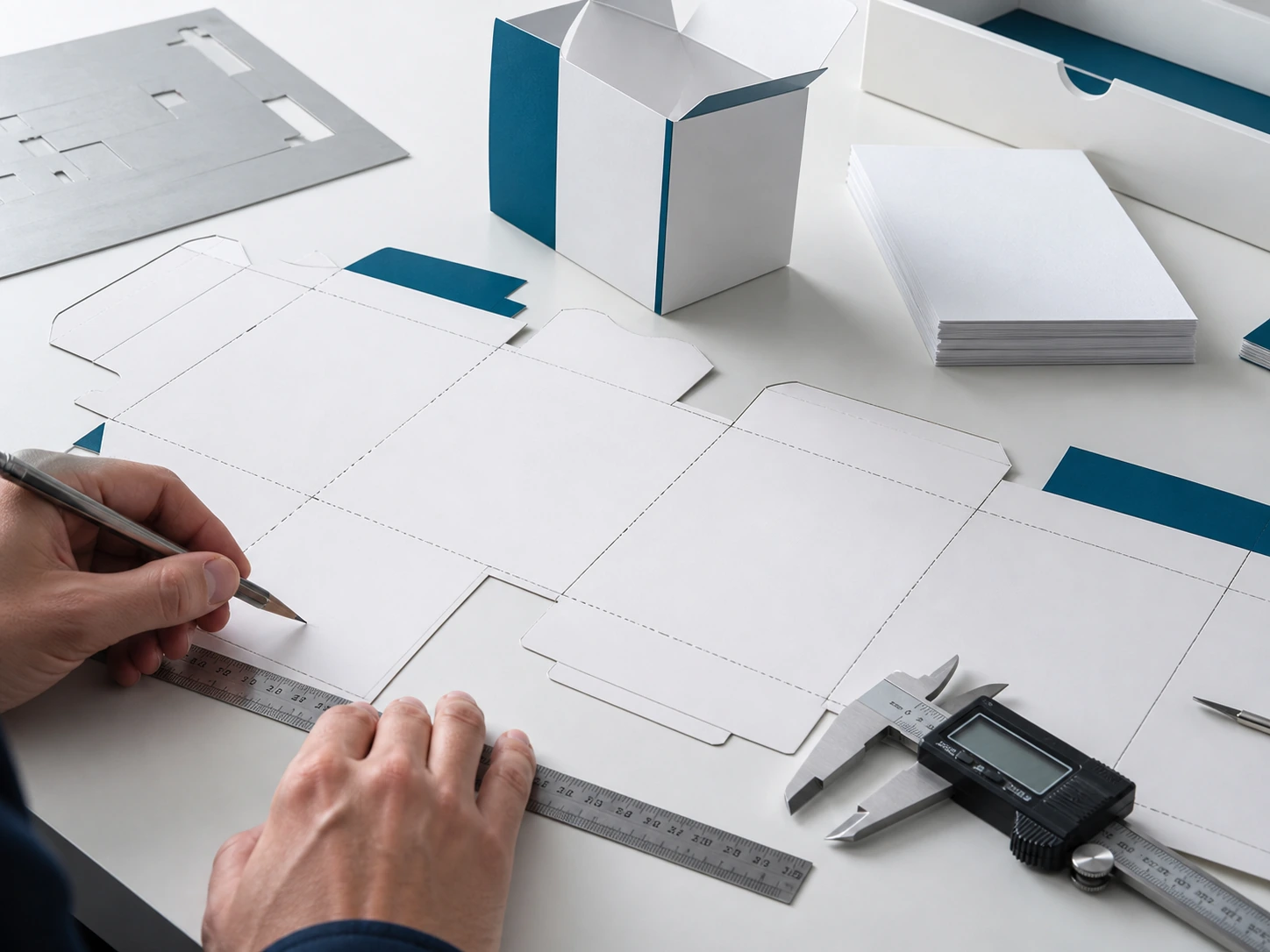
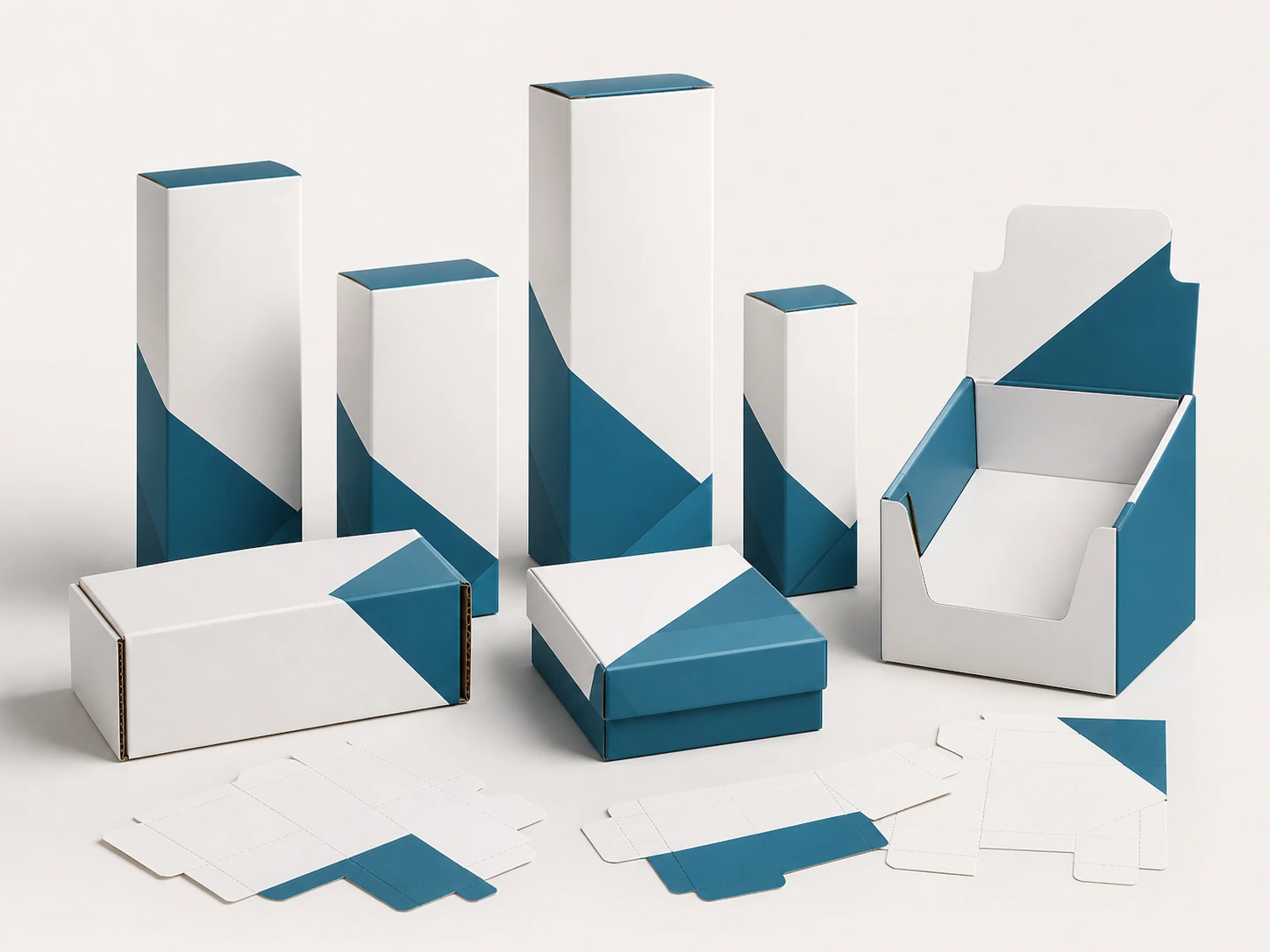
Start With the Decision You Need to Make
Selecting the right structural foundation is the first step in successful packaging procurement. Review common formats to understand which configuration aligns with your product weight, retail environment, and unboxing experience.
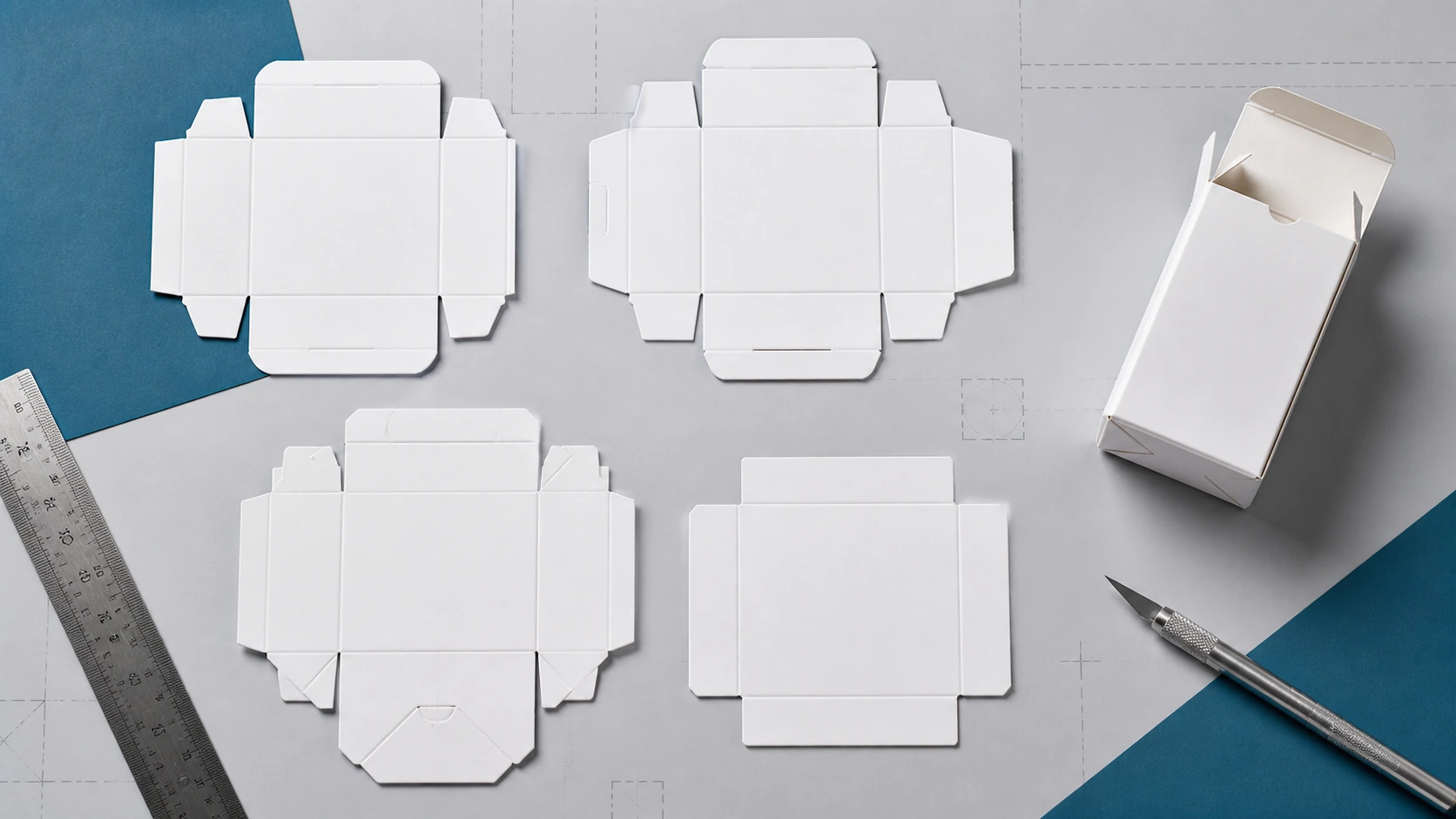
Folding Carton Templates
Explore common straight tuck, reverse tuck, auto-lock bottom, and sleeve formats. Ideal for lightweight retail products, cosmetics, and pharmaceuticals requiring efficient assembly.
View Carton Products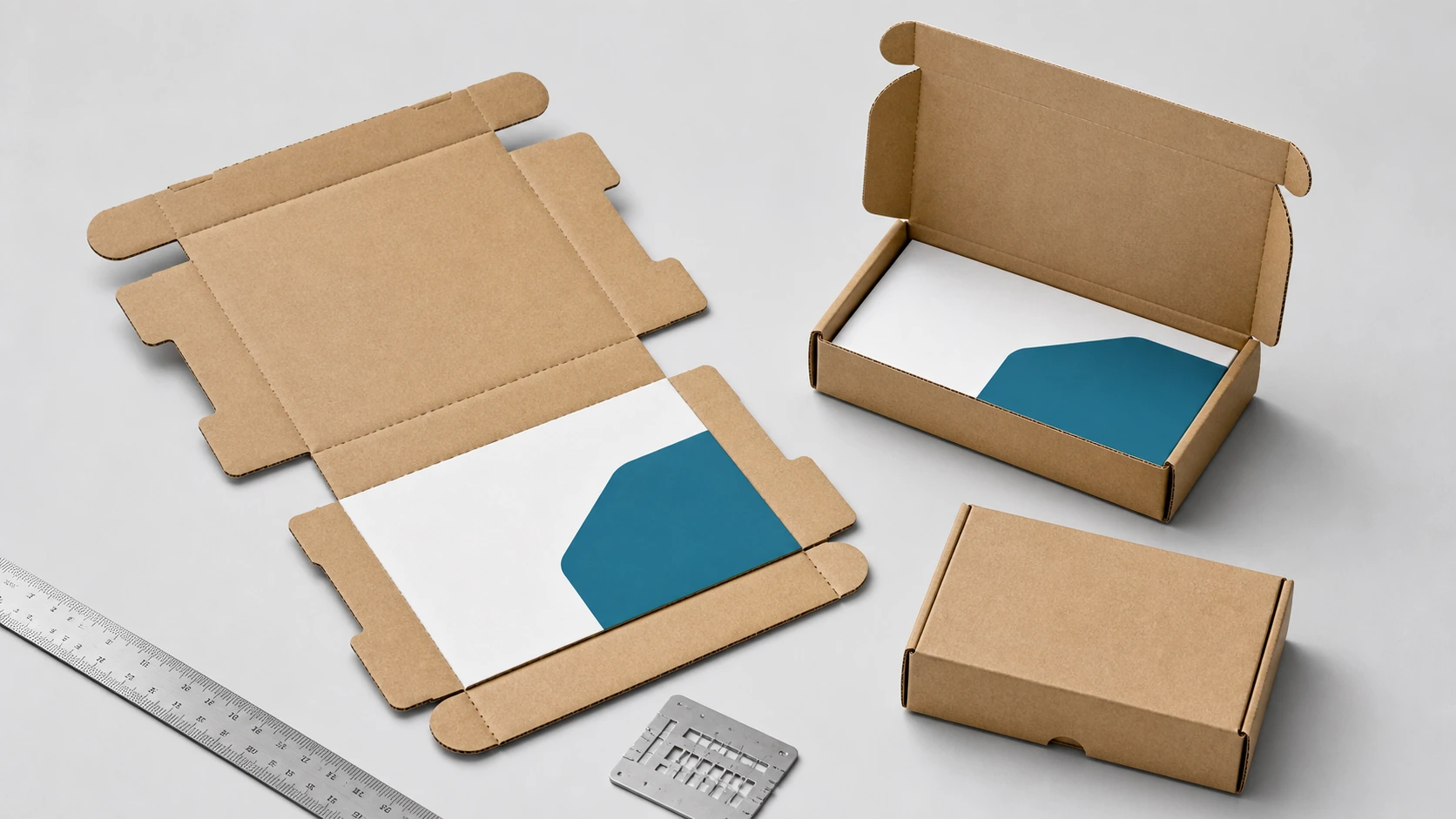
Corrugated Templates
Review structural layouts for e-commerce mailers, roll-end front tuck (REFT), and regular slotted container (RSC) shipping structures built for transit durability.
View Mailer Options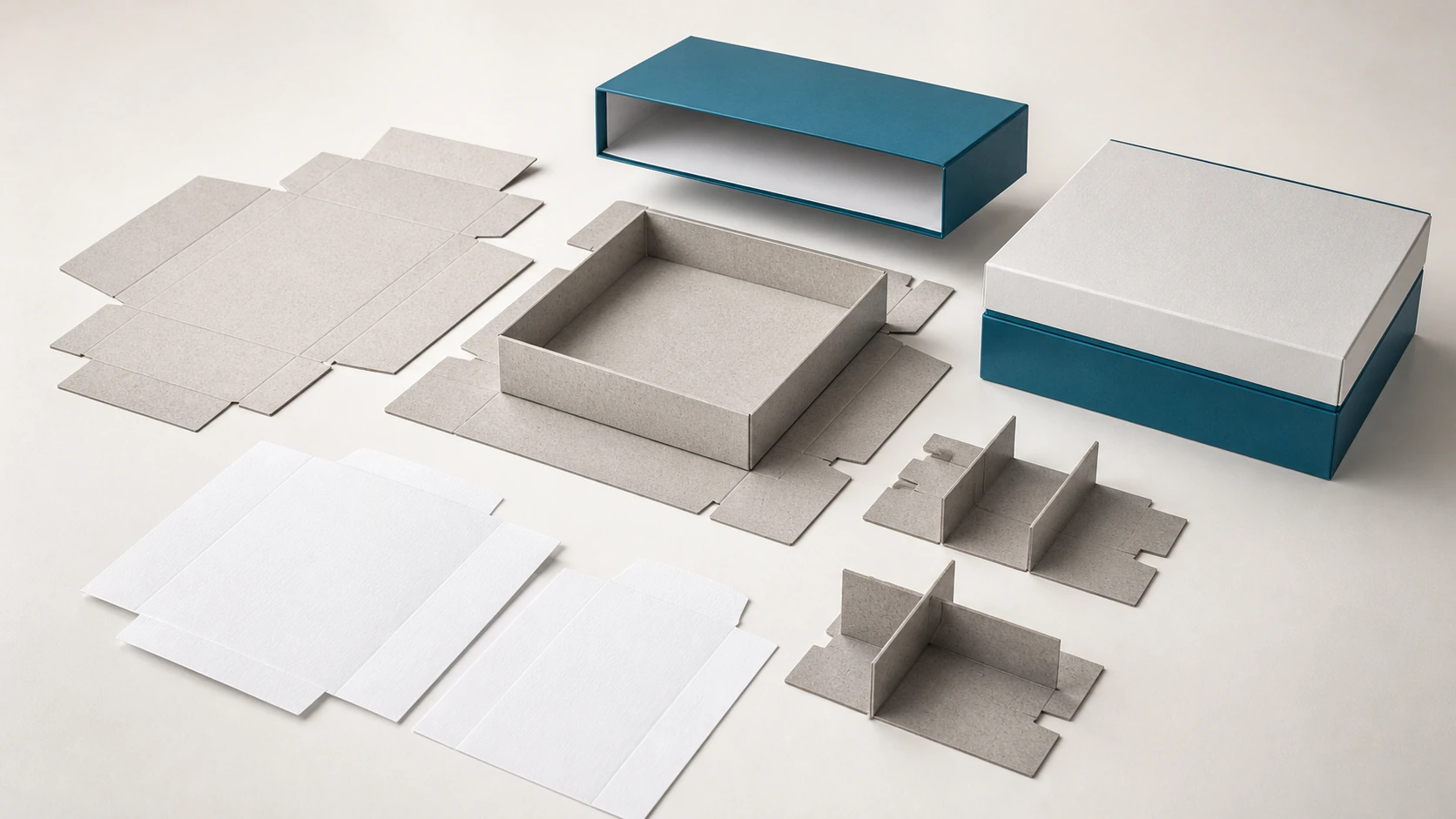
Rigid Box Dielines
Understand the complex multi-component guidance required for premium packaging, including greyboard base structures and precise printed paper wrap layouts.
Explore Rigid Boxes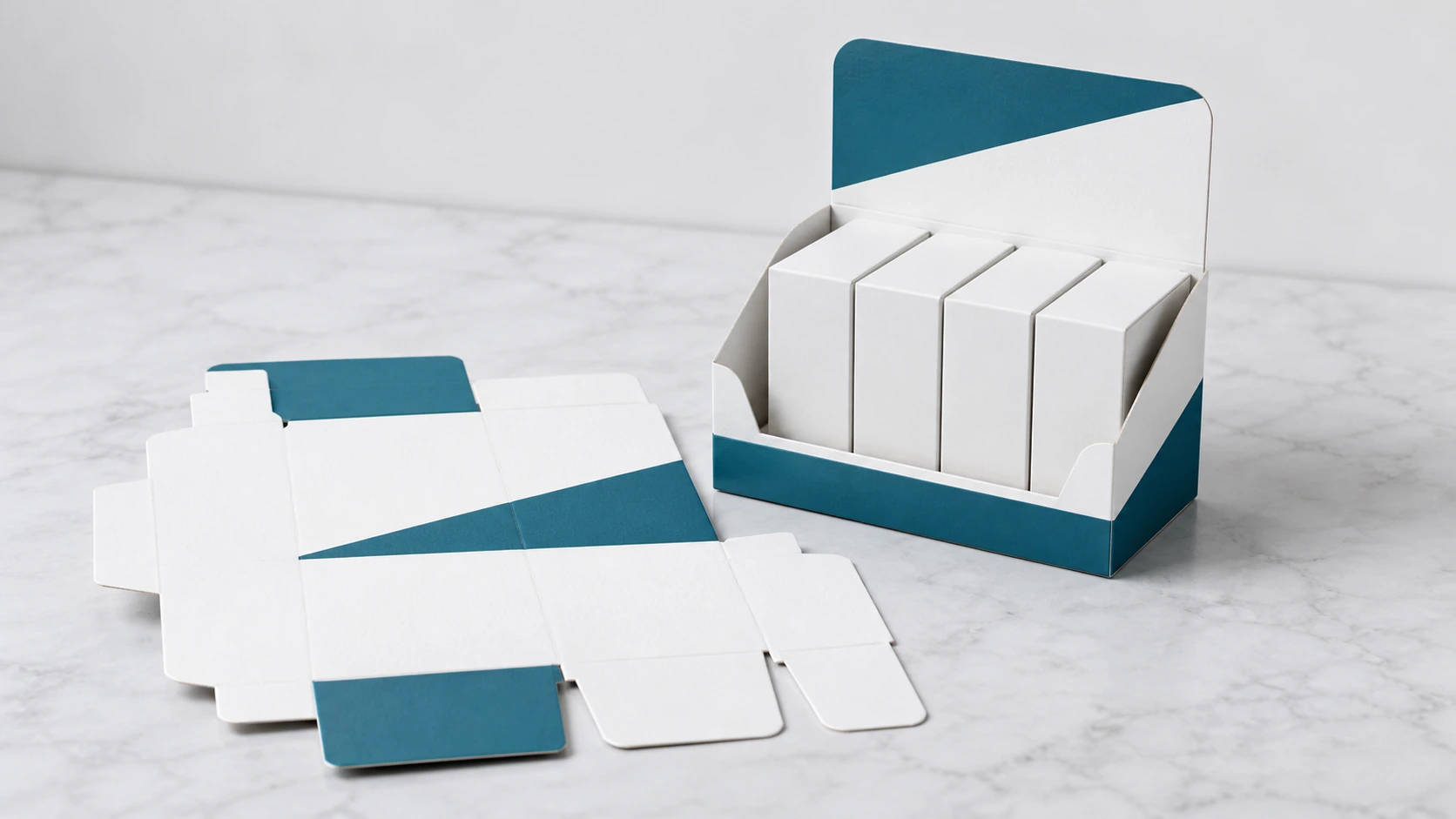
Display Templates
Analyze counter display units (CDU) and shelf-ready packaging (SRP) structures designed to securely transport products and convert easily into retail presentations.
See Display Solutions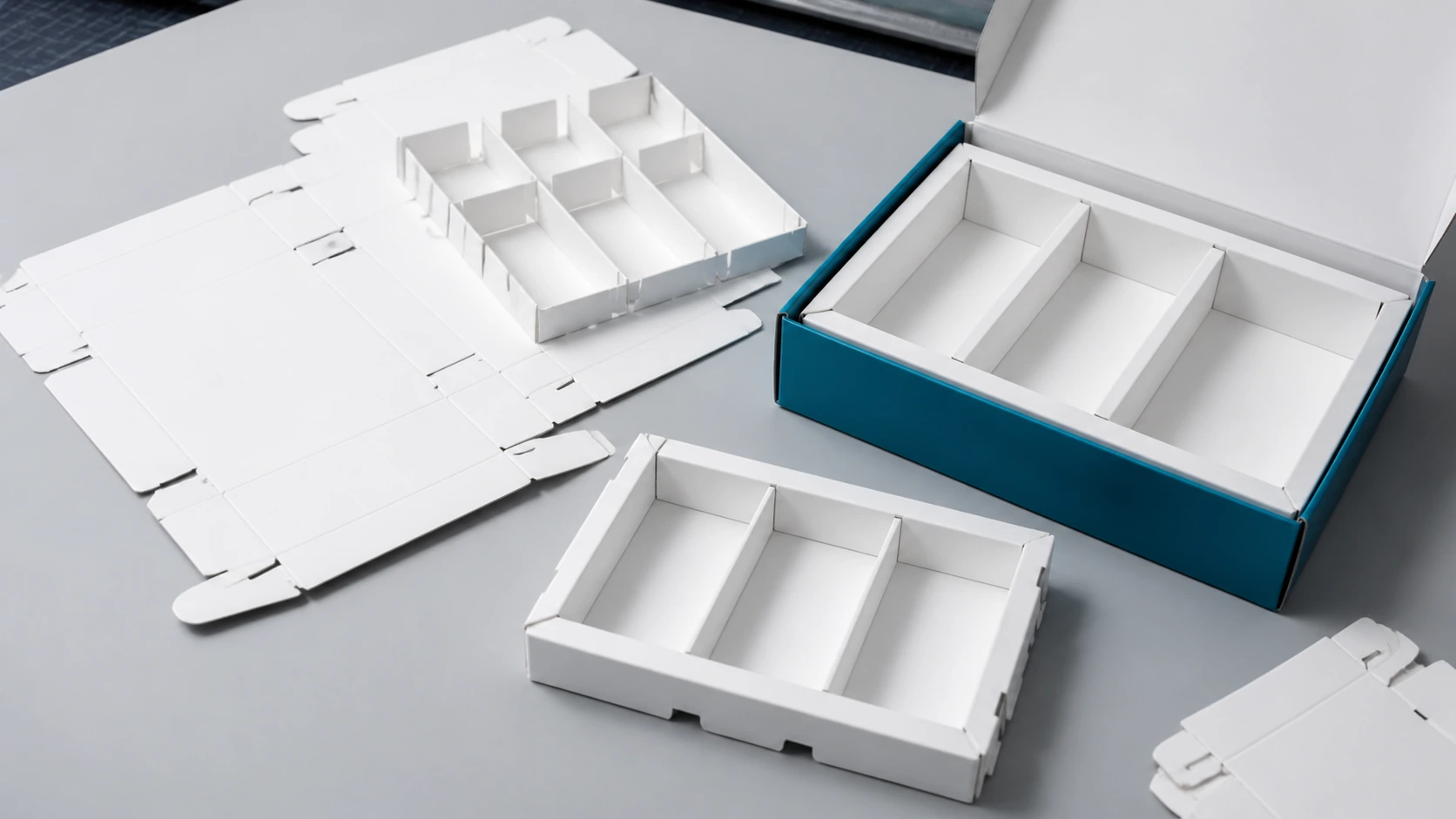
Insert Templates
Review engineering for internal support. Folded paperboard inserts organize multiple components, protect fragile items, and enhance the structured unboxing presentation.
Learn About Engineering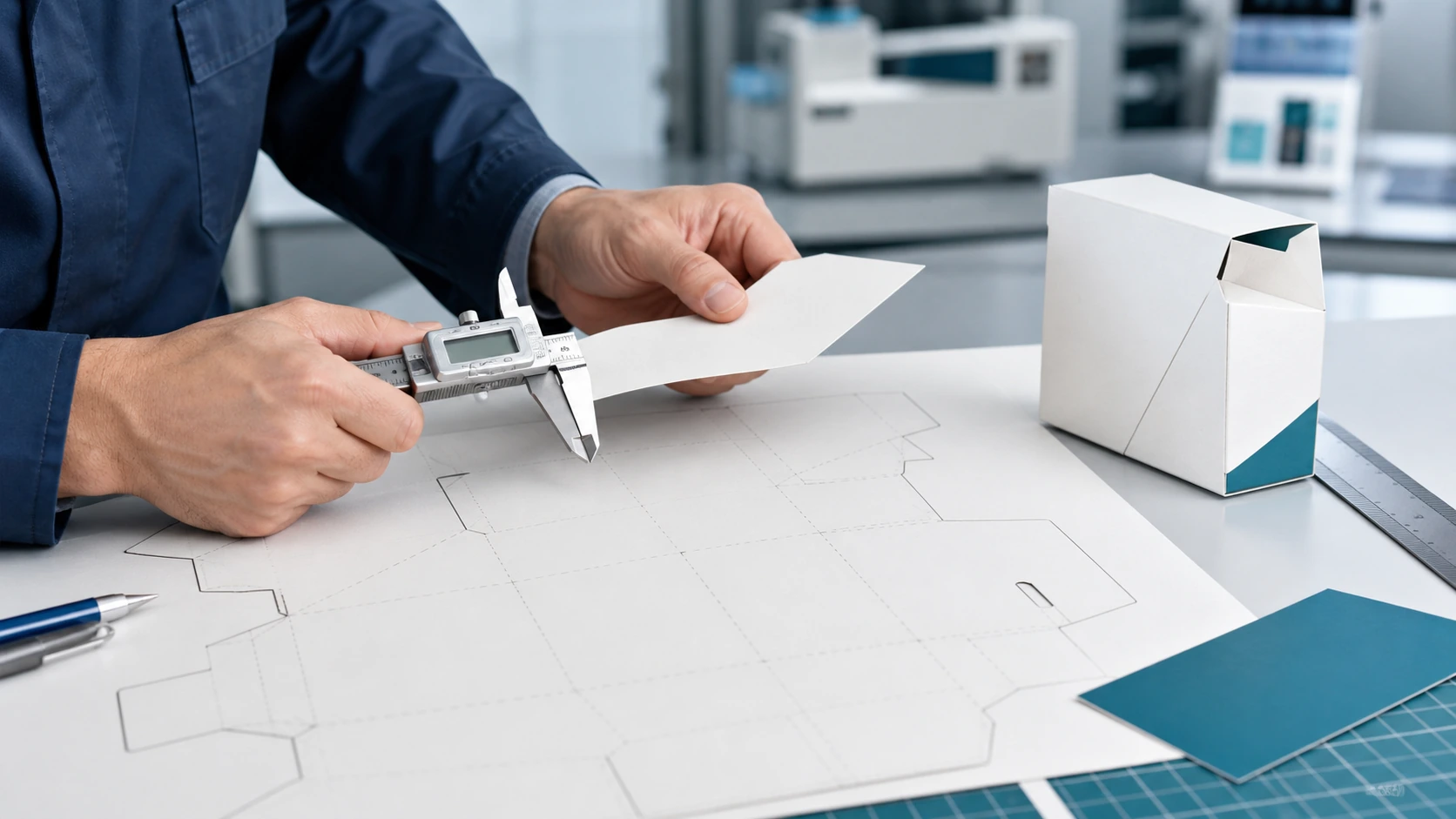
Custom Dieline Request
When standard formats fall short, our structural engineers develop custom dimensions and mechanisms built precisely around your actual product's physical requirements.
Request Custom StructureFrom Guidance to Production Reality
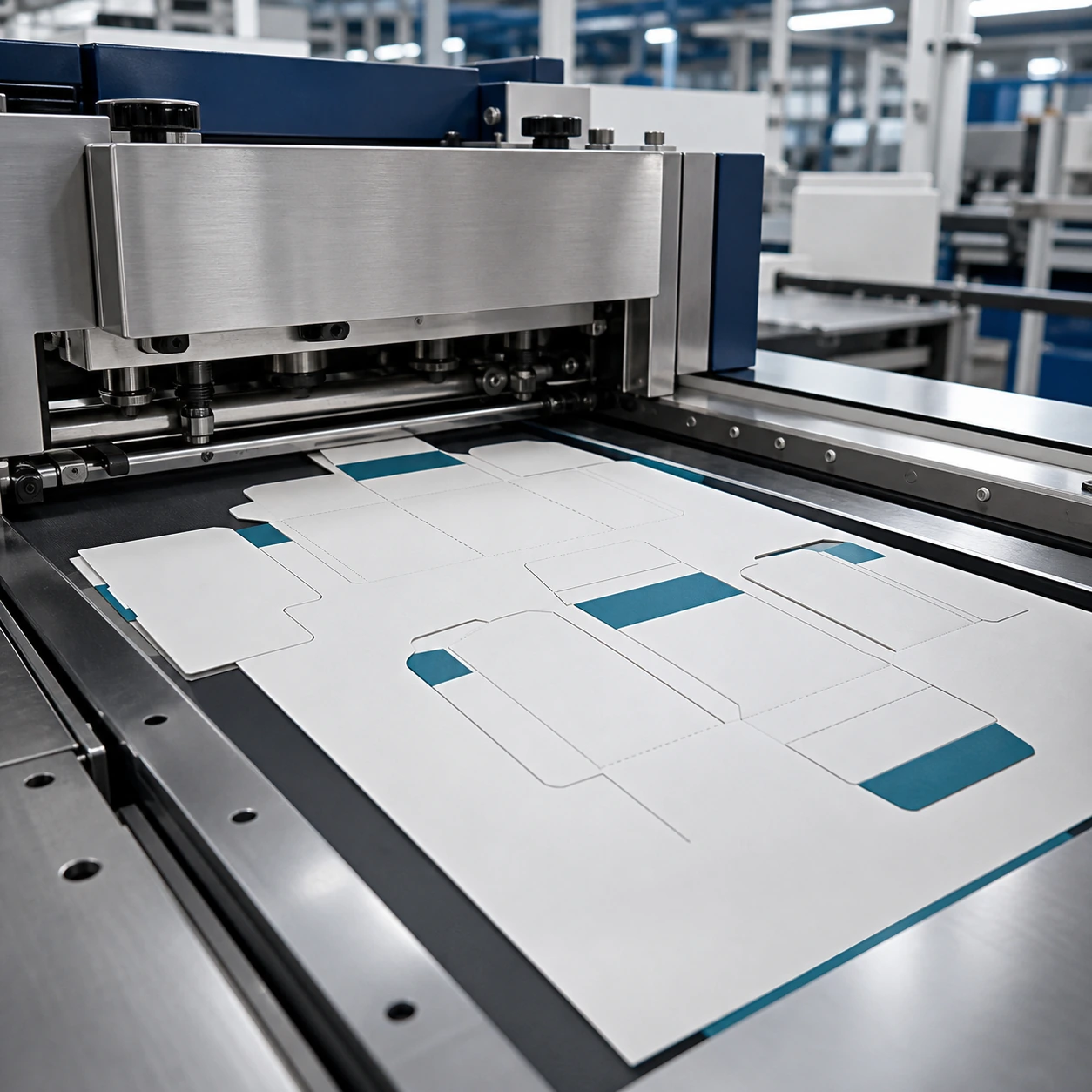
A digital file is only the beginning. At MY Packaging, we bridge the gap between flat artwork and physical manufacturing. By utilizing precise box templates engineered for our specific machinery, we eliminate guesswork from the production line.
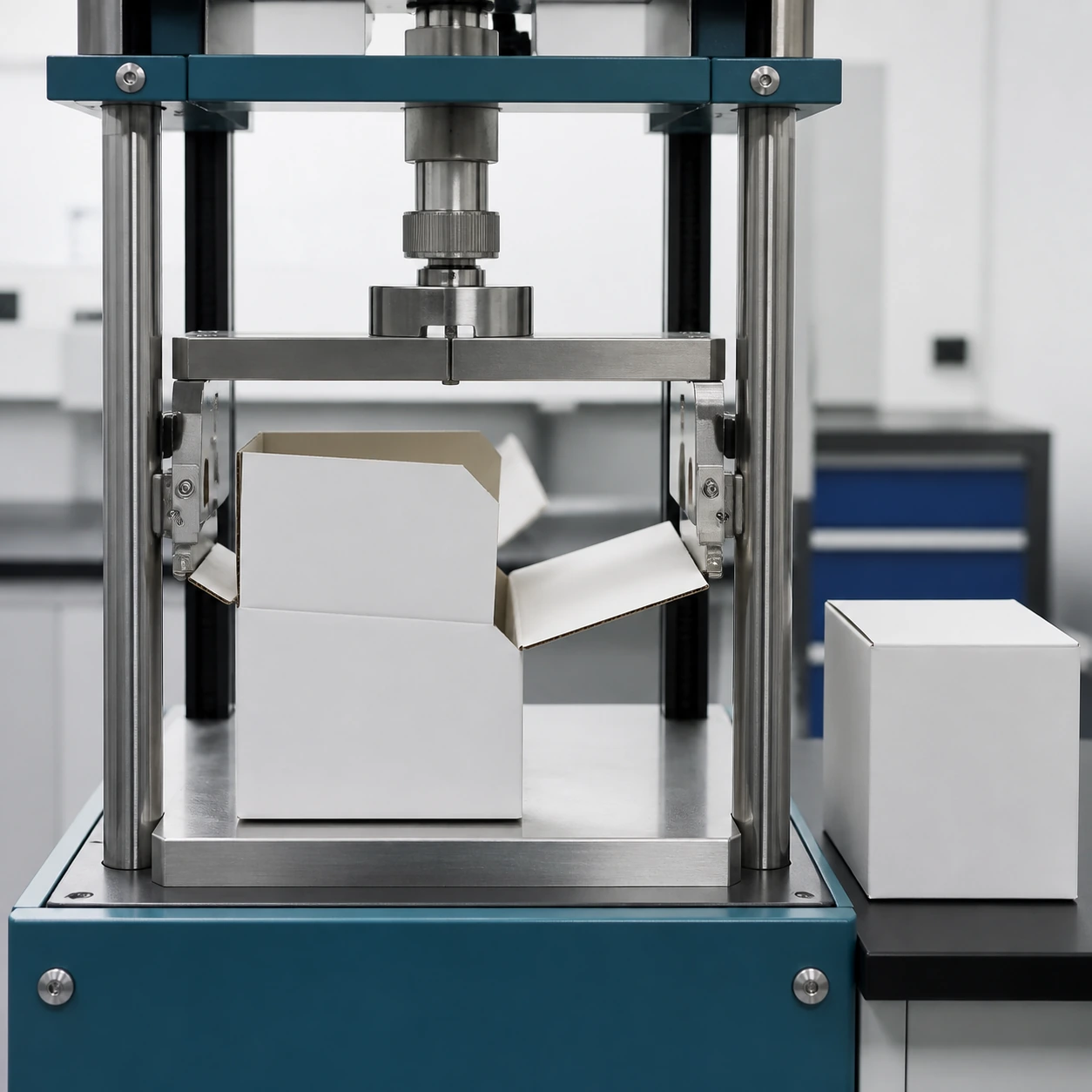
Before mass production begins, every structural layout is verified through physical white sampling. We check dimensions, material thickness tolerances, folding resistance, and structural integrity. This controlled process ensures that when your artwork is applied, the final printed product matches your exact expectations.
Explore our Manufacturing Services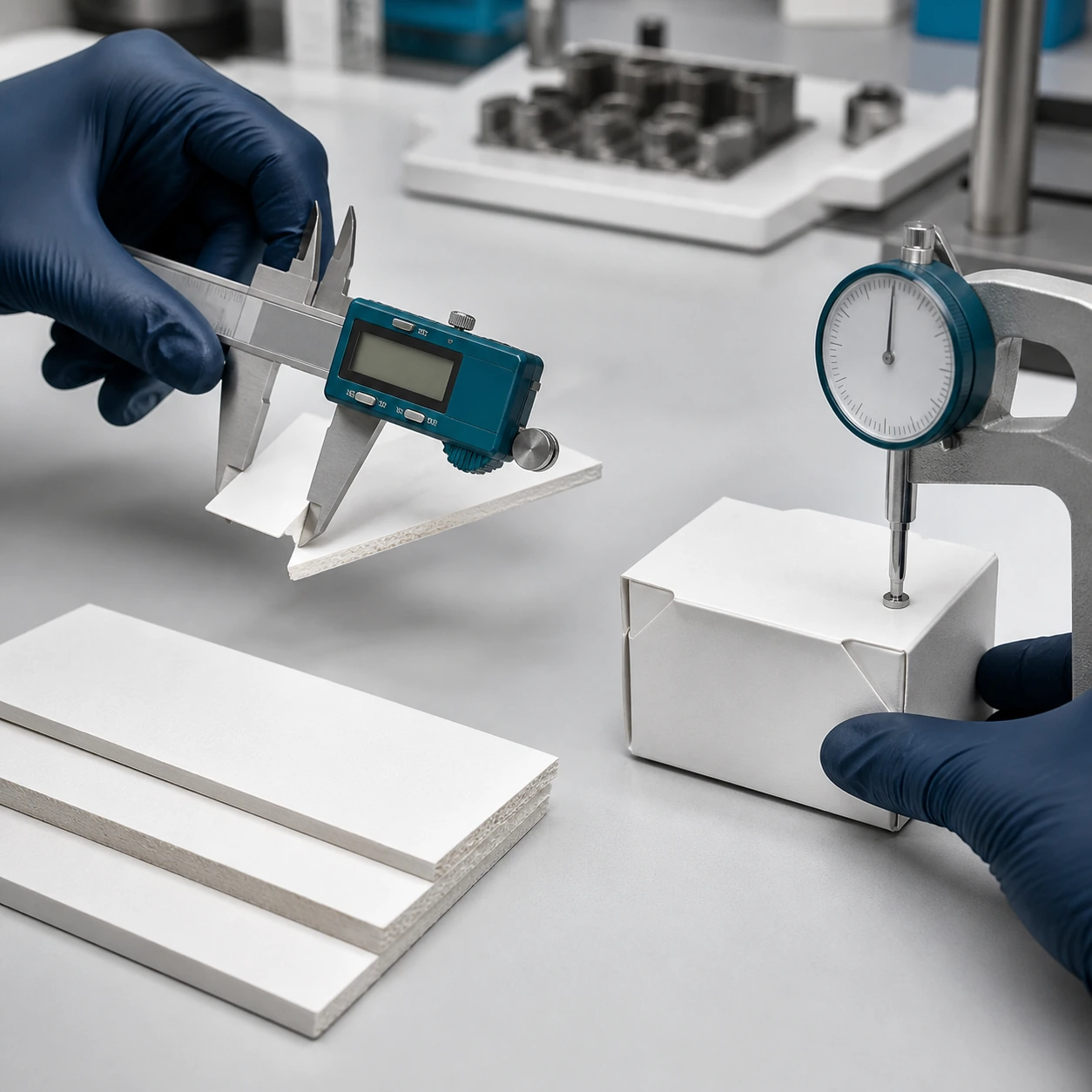


Understanding Dieline Marks
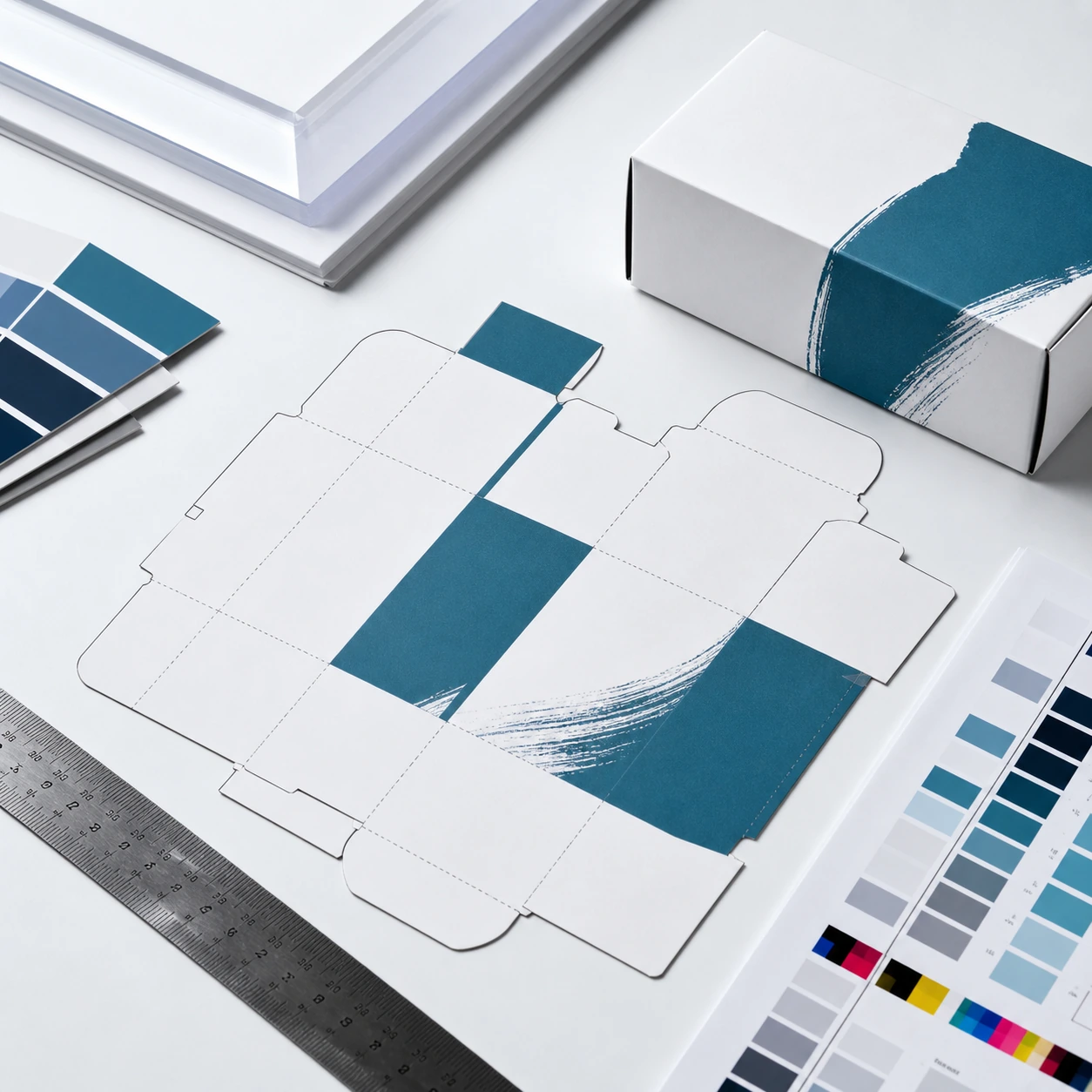
A quick reference guide to reading structural layouts for accurate artwork placement.
| Line Type | Visual Indicator | Purpose & Rule |
|---|---|---|
| Bleed Line |
Outer Edge
|
Background colors and images must extend to this line to prevent unprinted white edges if the cutting blade shifts slightly during manufacturing. |
| Cut Line (Trim) |
Solid Line
|
The exact path where the steel rule die will cut the paperboard. Do not place critical text or logos directly on or outside this line. |
| Crease Line (Fold) |
Dashed Line
|
Indicates where the material will be scored for folding. Keep text away from creases to prevent distortion when the box is assembled. |
| Safe Zone |
Inner Boundary
|
All essential text, barcodes, and logos must remain inside this area to guarantee they are not accidentally trimmed or folded over. |
What to Prepare Before Contacting a Manufacturer
Streamline your procurement process. Having these details ready helps our structural team assess feasibility and provide accurate guidance for your project.
Exact Dimensions
Provide the internal dimensions (Length × Width × Depth) required to hold your product securely, or provide the physical product for custom sizing.
Product Weight
Knowing the weight of the items inside dictates material choices, such as selecting between standard paperboard or thicker corrugated fluting.
Expected Quantity
Production methods shift based on volume. Share your initial order quantity and potential future volumes to align with the right manufacturing process.
Target Timeline
Outline your desired dates for sampling, mass production, and final delivery so we can build a realistic schedule that meets your launch goals.
Frequently Asked Questions
Technical insights into structural design and artwork preparation.
What file format should I use for my artwork?
Can you create a custom dieline for my specific product?
Why is a white structural sample necessary?
Do I need to account for material thickness in my design?
What happens if my artwork does not align with the template?
How do I start a project if I don't have a designer?
Ready to Structure Your Next Project?
Whether you need standard box templates to begin artwork or require a completely custom dieline engineered for a new product launch, our factory-direct team is ready to support your procurement requirements.
Submit your specifications, and we will review the details to recommend the most practical manufacturing approach.