Sustainable Packaging Built for Real-World Performance
Developing sustainable packaging requires a practical, factory-direct approach. Make more responsible packaging decisions through right-sizing, paper-based formats, material efficiency and sourcing options considered alongside product performance.
Share your product, dimensions, quantity, destination and target timing. Our team will recommend the next practical step.
What Our Approach Means for B2B Buyers
We focus on practical, structural decisions that improve material efficiency without compromising product protection or brand presentation.
Right-Size the Structure
Reduce unnecessary volume and material by engineering packaging dimensions precisely to your product specifications.
Prefer Paper-Based Formats
Evaluate recyclable options where suitable, transitioning from mixed materials to structured paper alternatives.
Optimize Material Use
Align board grade and thickness directly with real protection needs, avoiding over-specification while ensuring durability.
Design for Separation
Simplify mixed components where practical, making end-of-life sorting and recycling easier for the final user.
Plan Efficient Packing
Improve master case utilization and shipping density through intelligent nesting and flat-packing designs.
Ask for Sourcing Options
Review responsibly sourced paper options available to the project, balancing environmental goals with commercial realities.
People, Process and Production in One View
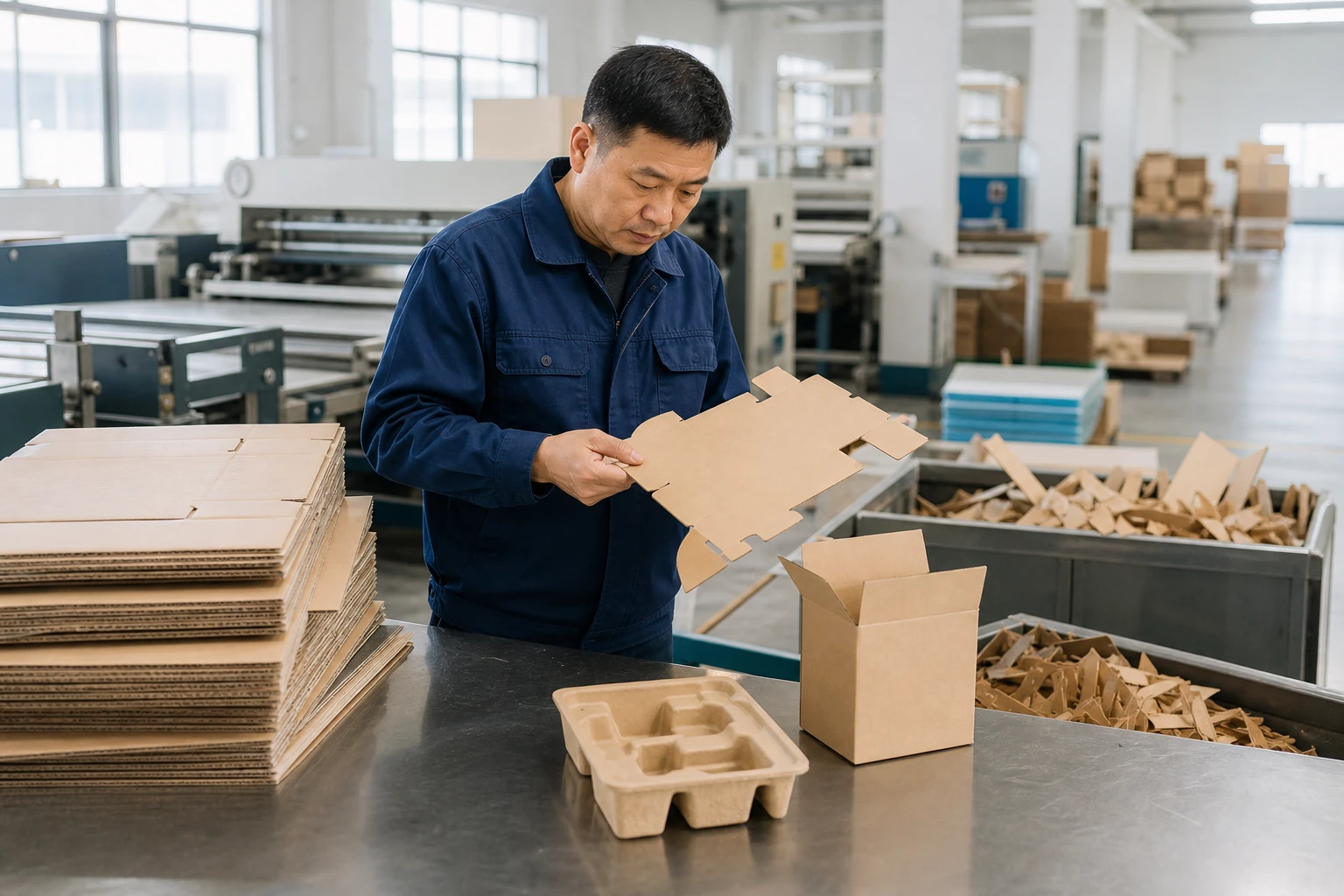
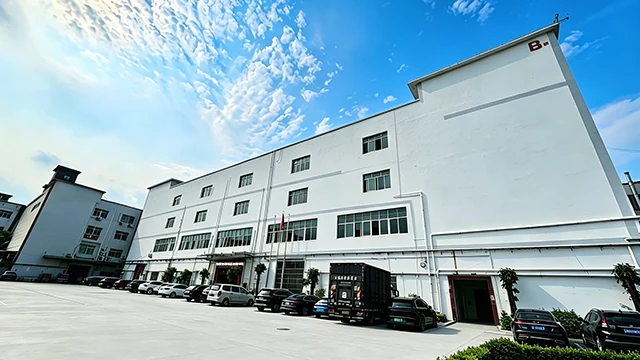
Implementing sustainable packaging requires a clear view of the manufacturing floor. It is not just about selecting a material; it is about how that material is handled, processed, and optimized during production.
Our facility relies on trained operators and organized workflows to minimize waste. From precision die-cutting that maximizes board yield to structured sorting of factory offcuts for recycling, every step is managed to ensure material efficiency translates into tangible project benefits.
- Organized factory waste sorting protocols.
- Clean machinery and natural industrial lighting.
- Trained operators focusing on yield optimization.
How Decisions Move From Brief to Production
A transparent workflow with clear responsibilities and approval points ensures your packaging meets structural and commercial requirements.
Specification Briefing
We review your product dimensions, weight, and protection requirements to establish the baseline material needs.
Structural Review
Engineering evaluates right-sizing opportunities and recommends paper-based formats to improve material efficiency.
Sampling & Approval
Physical samples are produced for your review. Artwork and structure must be explicitly approved before mass production begins.
Controlled Production
Manufacturing proceeds with quality checks at key stages, ensuring the final output matches the approved physical sample.
What We Will Confirm—And What We Will Never Guess
Reliable B2B manufacturing requires factual alignment, not assumptions. We maintain strict change control throughout the project.
What We Confirm
- Specification Control: Exact board grades, finishes, and structural dimensions based on project requirements.
- Artwork Approval: Final print files are verified and approved by your team prior to plate making.
- Sample Validation: Physical prototypes to confirm fit, function, and visual presentation.
- Realistic Schedules: Timelines dependent on the confirmed specification and current production realities.
What We Never Guess
- Unverified Dimensions: We do not proceed to production without finalized and tested product measurements.
- Assumed Material Needs: We do not guess board strength; we recommend based on product weight and shipping method.
- Verbal Changes: All structural or artwork modifications require documented change control and re-approval.
- Standardized Lead Times: We do not promise fixed turnaround times before reviewing the specific project complexity.
Real-World Application Scenarios
Practical examples of how structural decisions impact material usage and operational efficiency.
Transitioning to Paper-Based Formats
A project initially utilizing mixed materials for internal trays was redesigned using engineered corrugated board, simplifying the end-user recycling process while maintaining product stability during transit.
Reducing Shipping Volume
By right-sizing the primary packaging structure to eliminate 15mm of excess void space, the master carton dimensions were reduced, allowing a higher density of units per shipping pallet.
Consolidating Components
A multi-part packaging setup was consolidated into a single die-cut folding carton with integrated inserts. This reduced material usage and decreased manual assembly time on the packing line.
Visible Process Proof
Manufacturing confidence built on visible processes rather than unverified statistics.
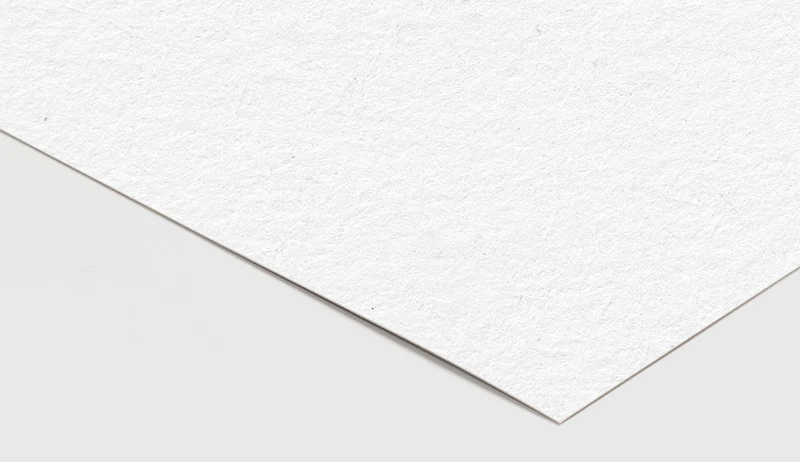
Flat-Packing Efficiency
Structures designed to ship flat, optimizing transport density.
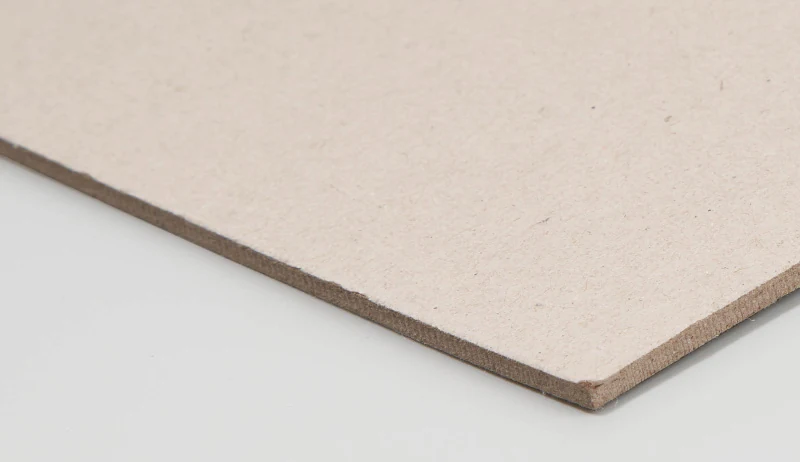
Intelligent Nesting
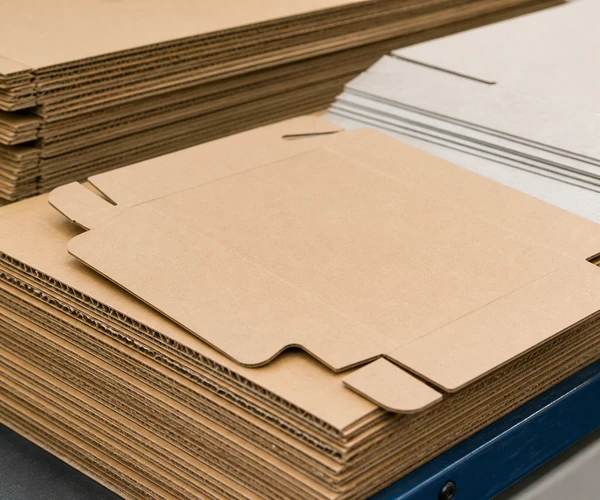
Die-cut layouts planned to maximize board yield and reduce offcuts.
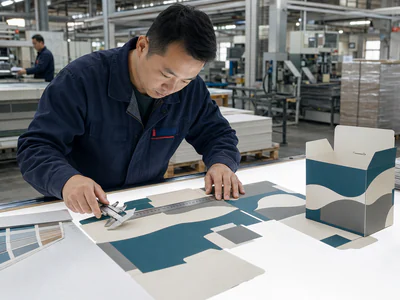
Structural Integrity Checks
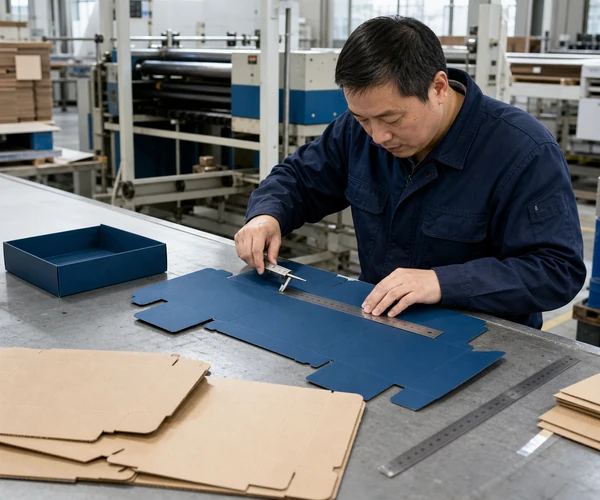
Verifying edge crush resistance and fold endurance on the line.
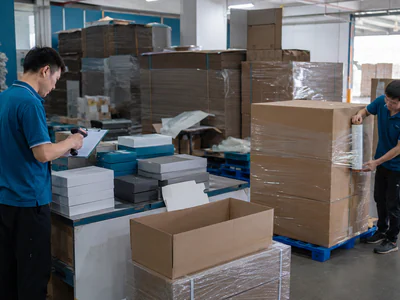
Export Packing Preparation
Master cases properly sealed and documented for global coordination.
Frequently Asked Questions
Clear answers regarding our materials, sampling, and structural review processes.
How do we start evaluating our current packaging structure?
Can we review physical samples before mass production?
What information is required to recommend a material structure?
How does structural right-sizing impact shipping?
Are sourcing options available for specific paper grades?
How are changes managed during the sampling phase?
Start Your Sustainable Packaging Project
Share your product details, required dimensions, quantity, destination, and target timing. Our team will review your requirements and recommend the next practical step for structural design or sampling.
Email Us
info@mypaperboxes.comFactory Location
301 Xinan Road, Humen, Dongguan, Guangdong 523900, China