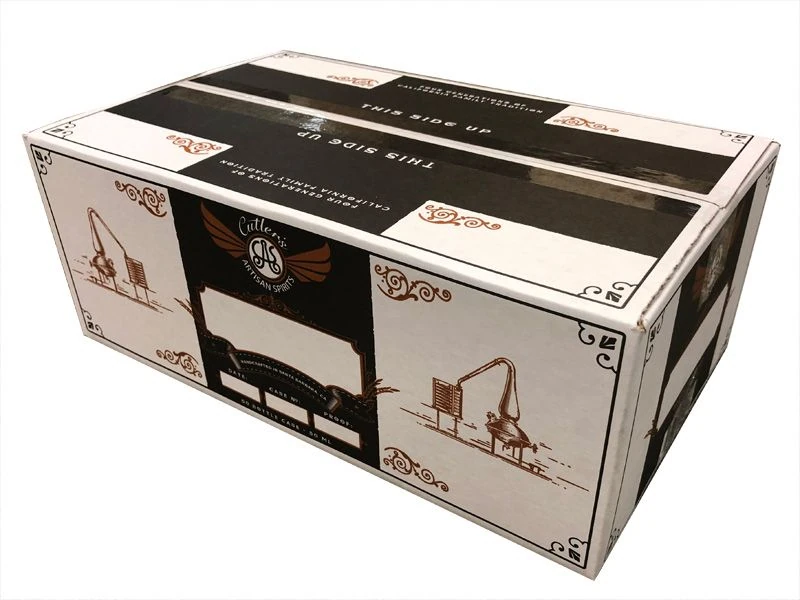
A shipping carton starts with the packed load. A case holding twelve retail packs on a pallet faces different handling from a single heavy parcel. Give us the finished product size, units per case and shipping route before choosing the board or setting the outside dimensions.
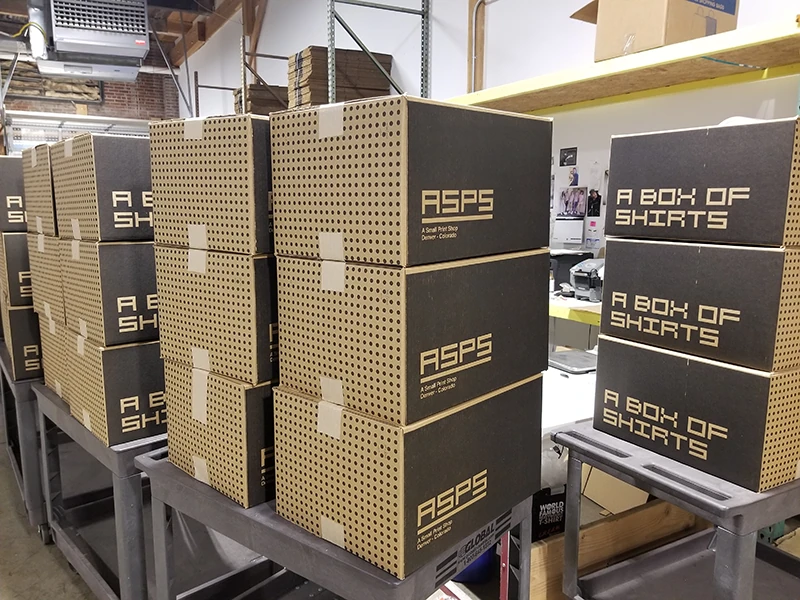
Printed shipping cartons standing together on the packing floor.
Work from the packed inside dimensions
Lay out the products in their shipping orientation, including dividers, bags and pads. Record the required internal length, width and depth. The outside size used to plan a pallet depends on the board and the finished construction.
Match the closure and print to handling
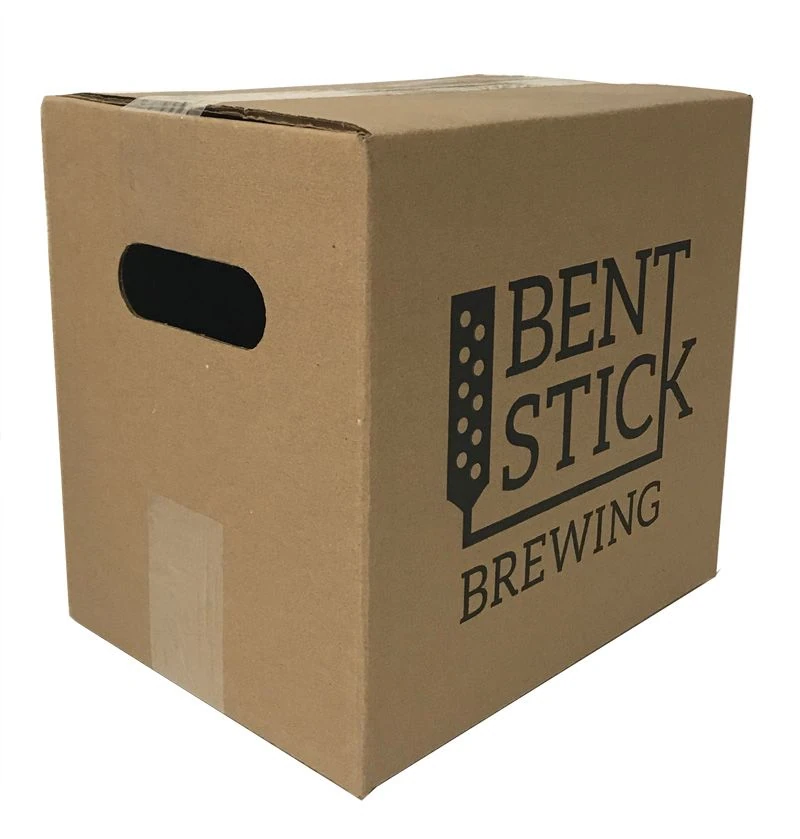
A regular slotted carton has top and bottom flaps that meet for sealing. Mark the tape line, label panel and handling symbols on the artwork. Where the carton has a hand hole, leave space around the opening and review it with the actual load.
Custom Corrugated Shipping Boxes in Detail
Use these examples from other packaging suppliers to compare structures and finishes for your project.
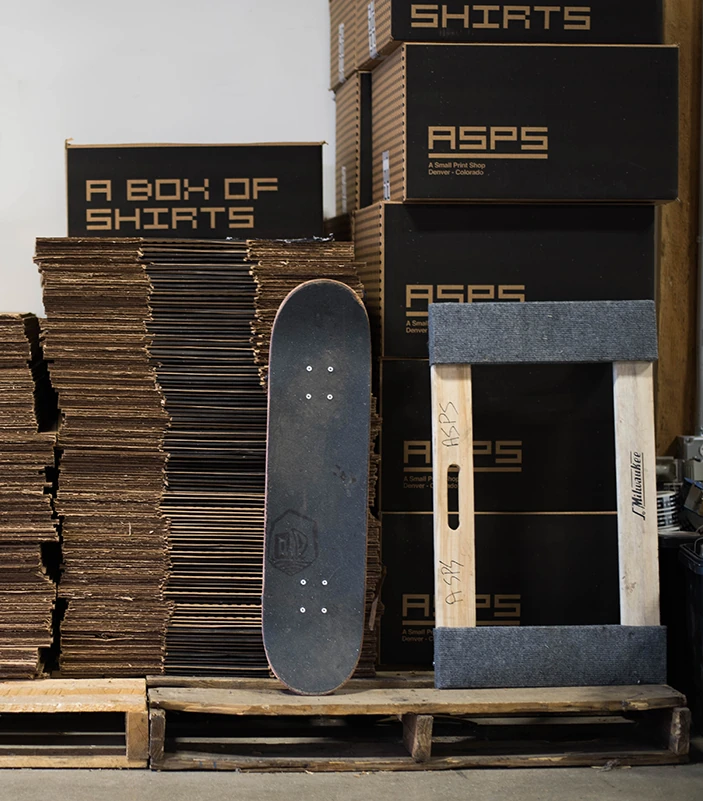
Flat bundles of cartons next to assembled printed shippers.
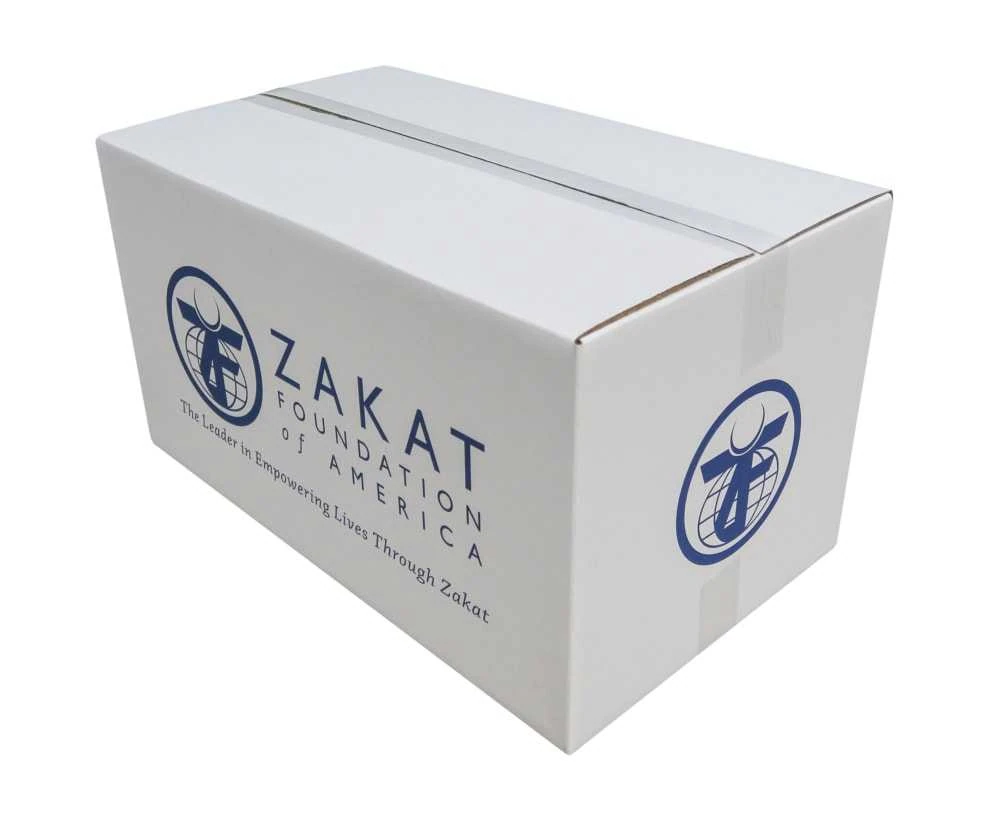
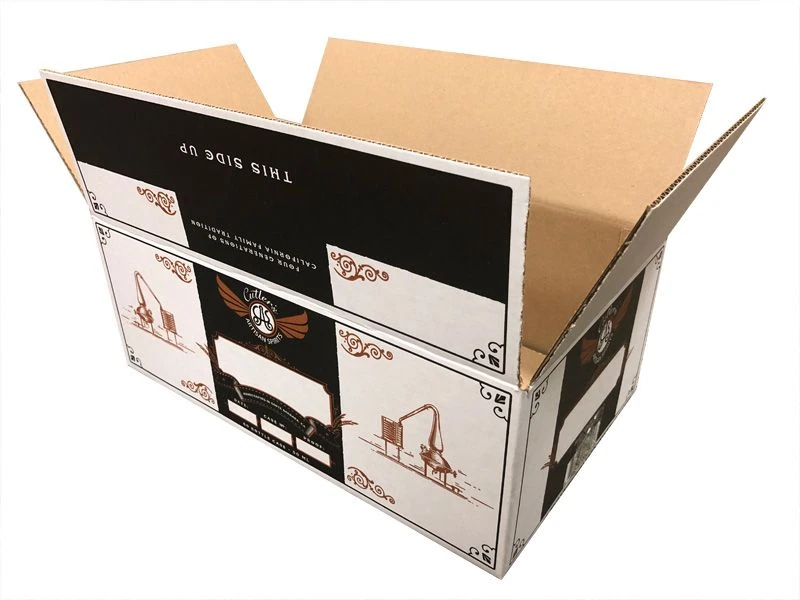
White slotted carton with a printed front and end panel.
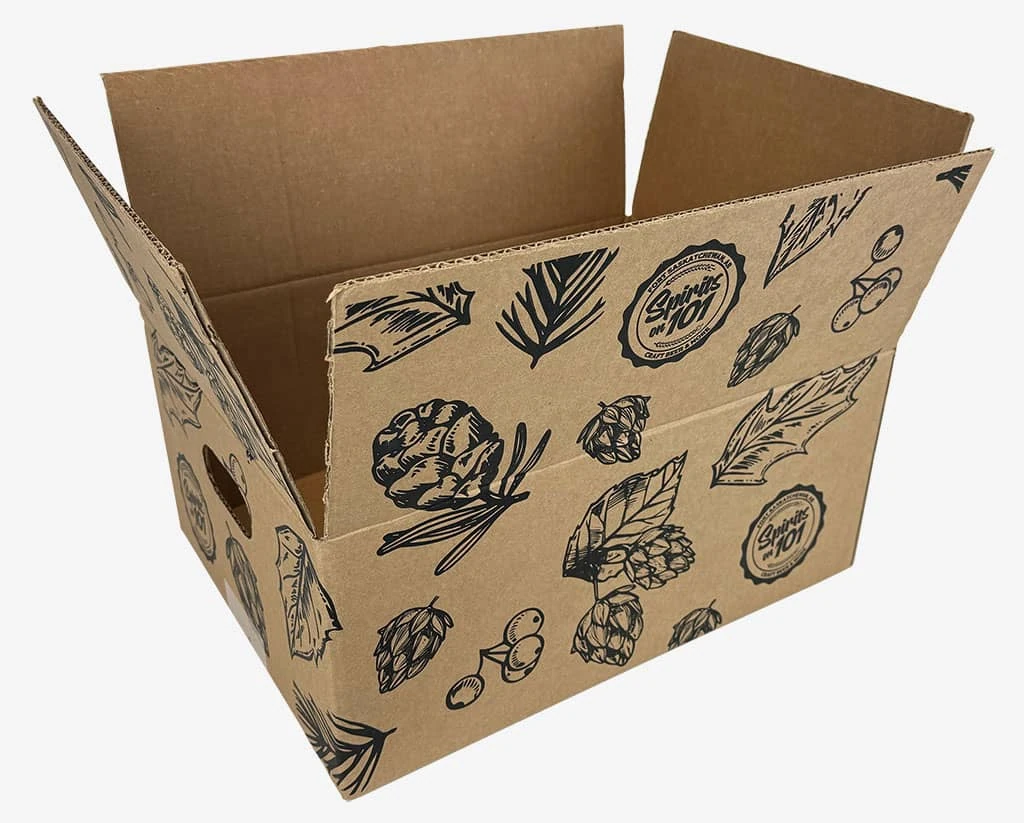
Four open top flaps on a printed kraft shipping carton.
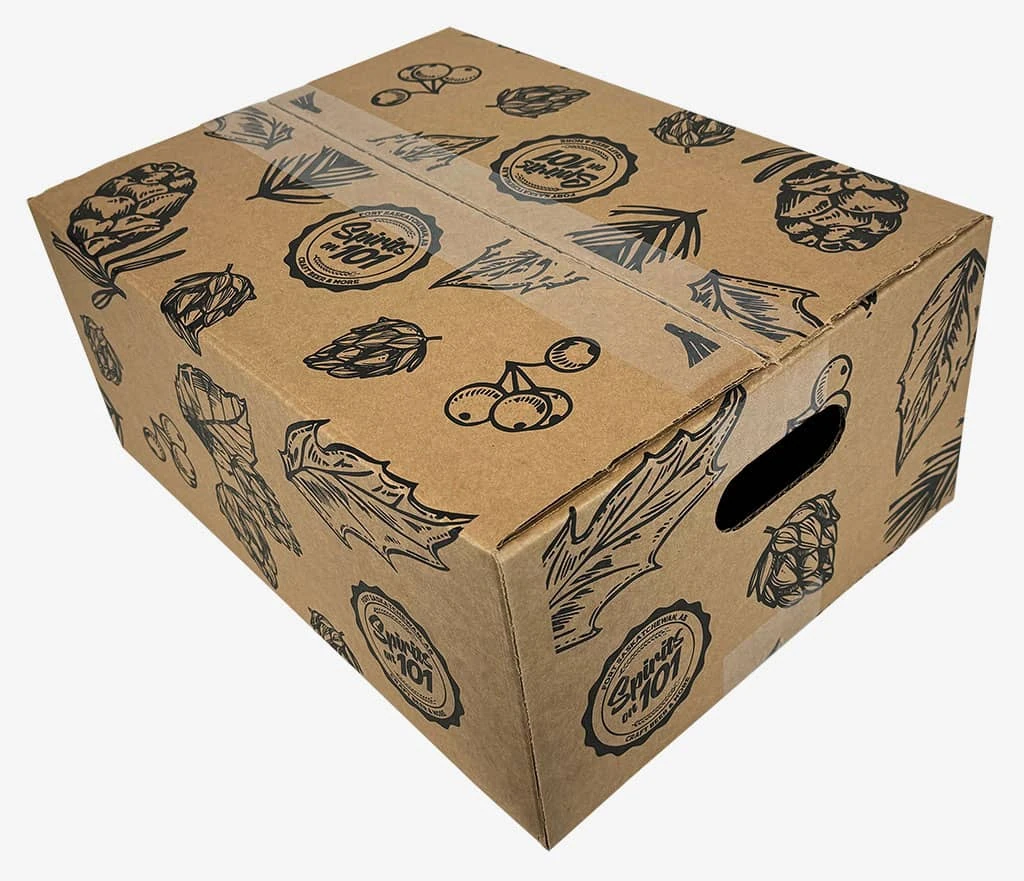
Closed carton showing the hand hole and artwork across the flaps.
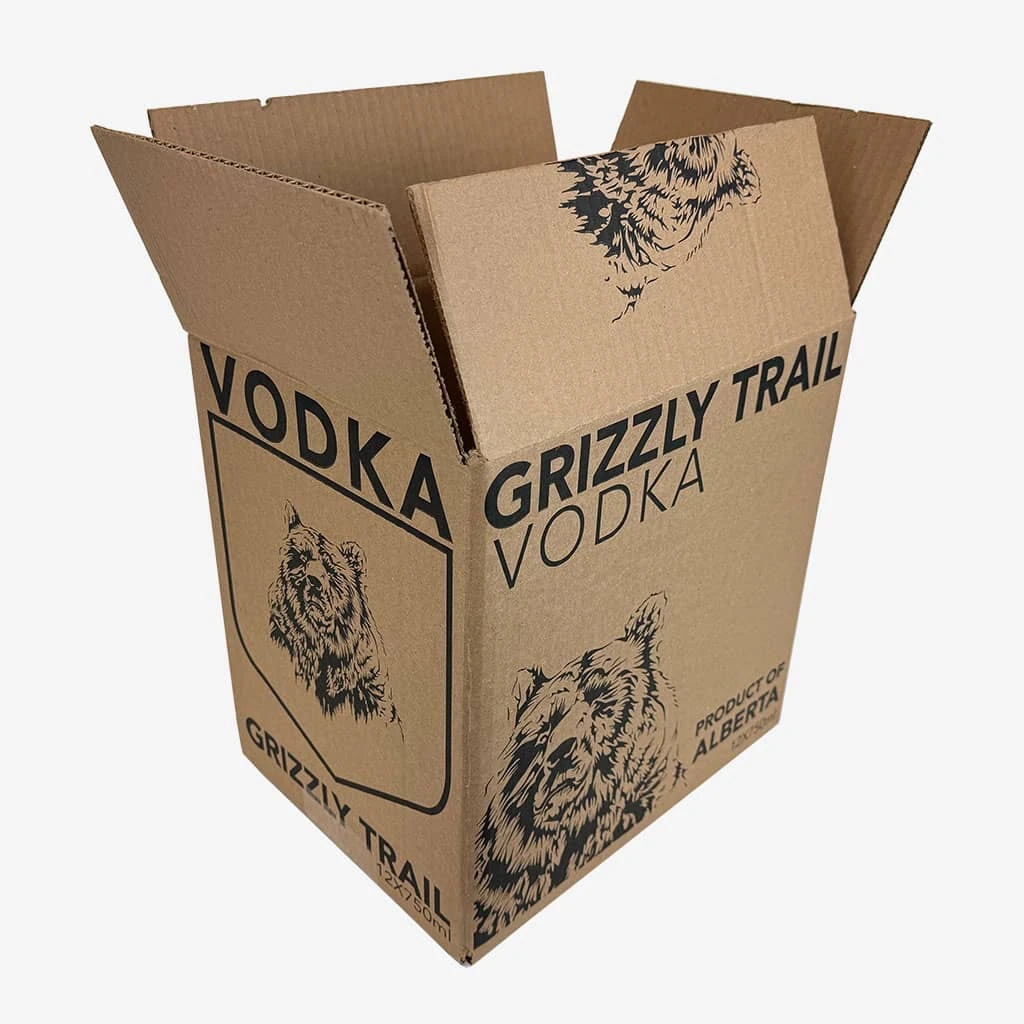
Tall beverage shipper with its top flaps open.
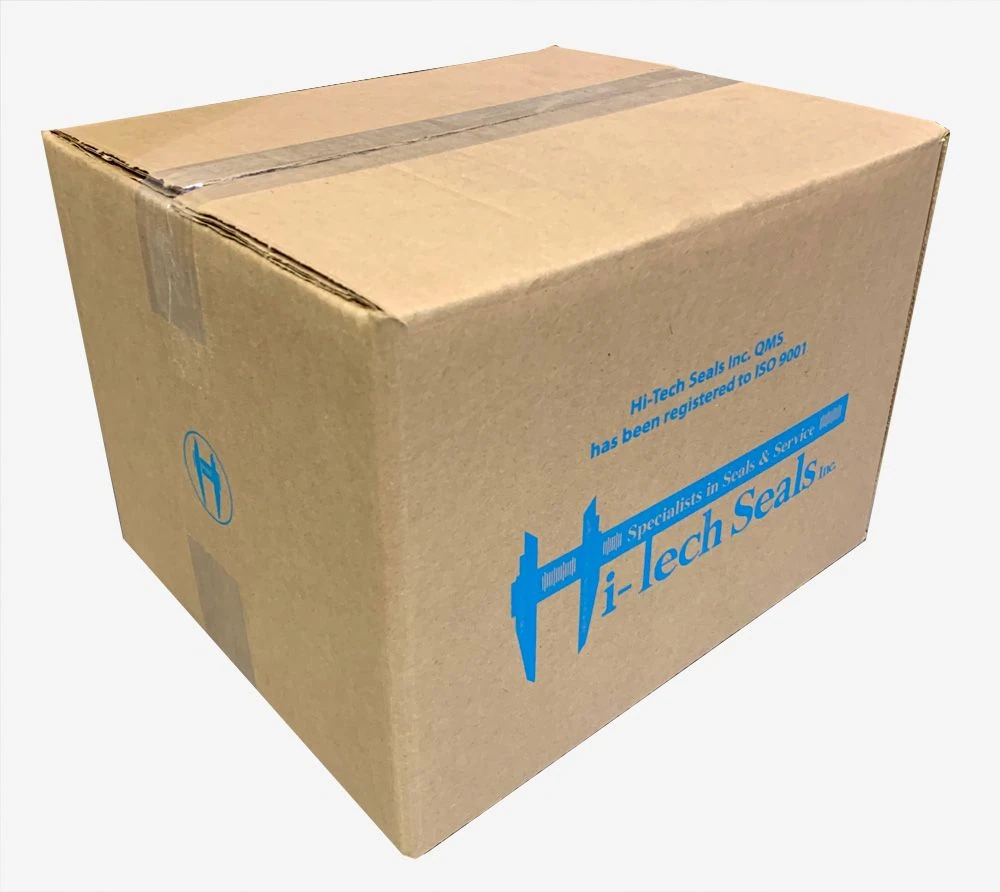
Kraft shipper sealed along the center seam with tape.
Carry opening on the end panel of a printed carton.
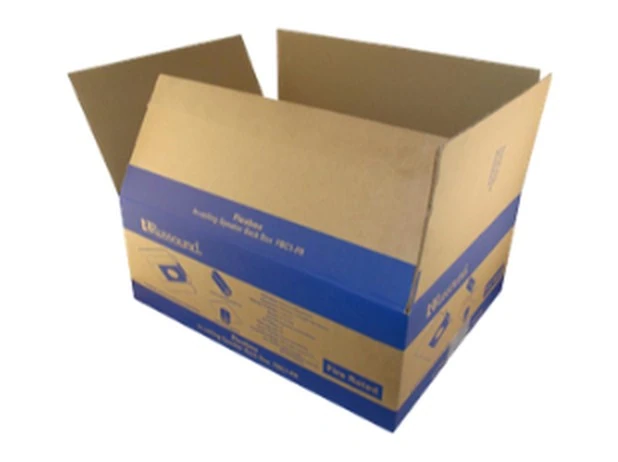
Open shipping case with blue print across the kraft side walls.
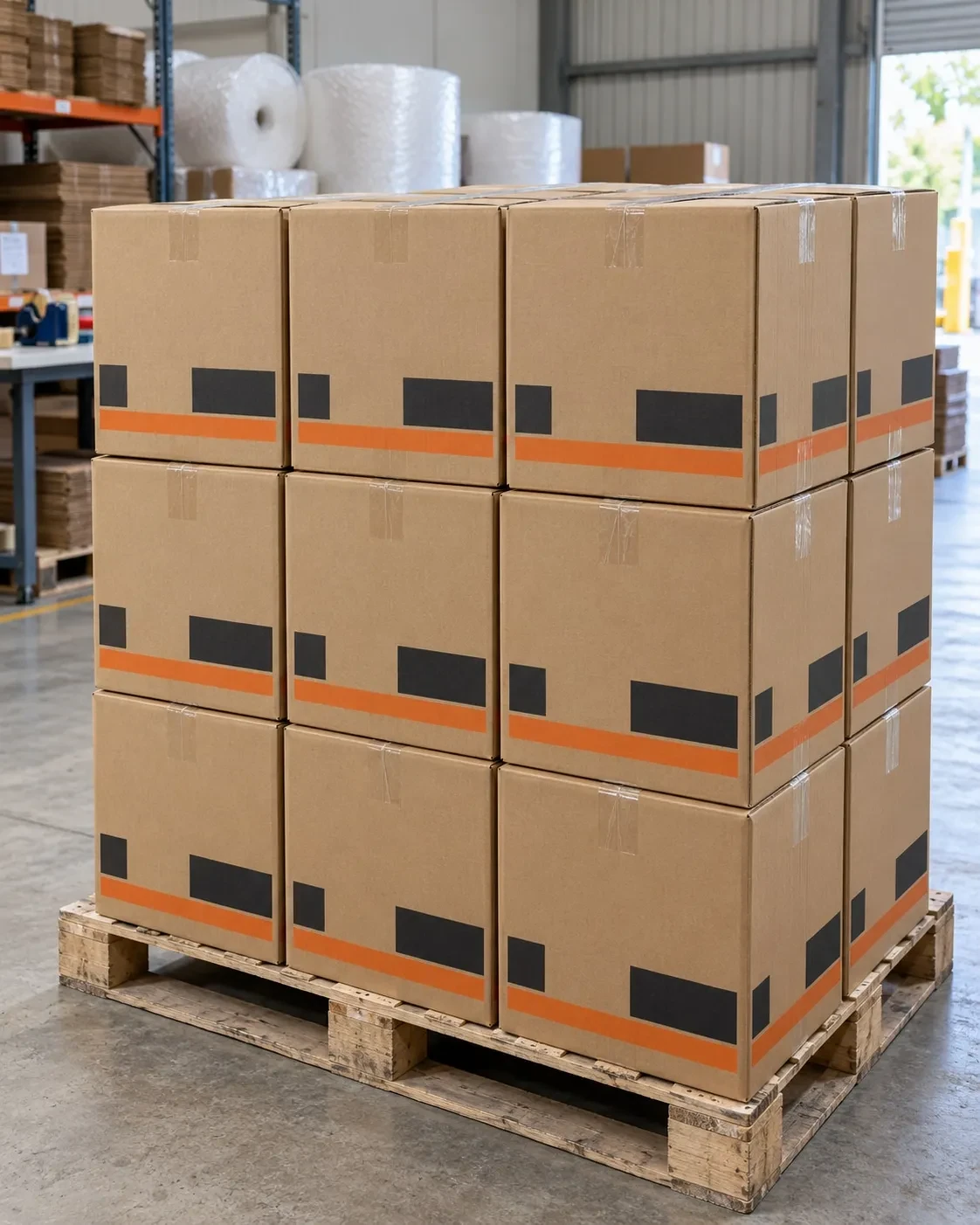
Closed corrugated cases stacked on a pallet.
Open case showing handling information on adjoining panels.
Top and side instructions on the same case after closing.
Buyer Questions
What information helps compare board specifications?
Provide the packed gross weight, pallet pattern, expected stack height and route. If your customer requires a particular strength rating or test, include the method and acceptance criteria in the RFQ.
How is a shipper different from a mailer?
A slotted shipper is typically closed with tape or another specified seal. A die-cut mailer folds into a presentation pack with an integrated lid. Choose the closure and packing workflow that the order requires.
Prepare a shipping carton quote
Include packed internal dimensions, units and gross weight per case, shipping method, pallet or parcel restrictions, printed panels, order quantity and destination.