Tuck end folding cartons arrive flat and close with paperboard tabs. Straight and reverse tuck styles can look alike on a shelf, yet their end flaps fold in different directions. Send a drawing that labels the front panel, the loading end and the artwork orientation.
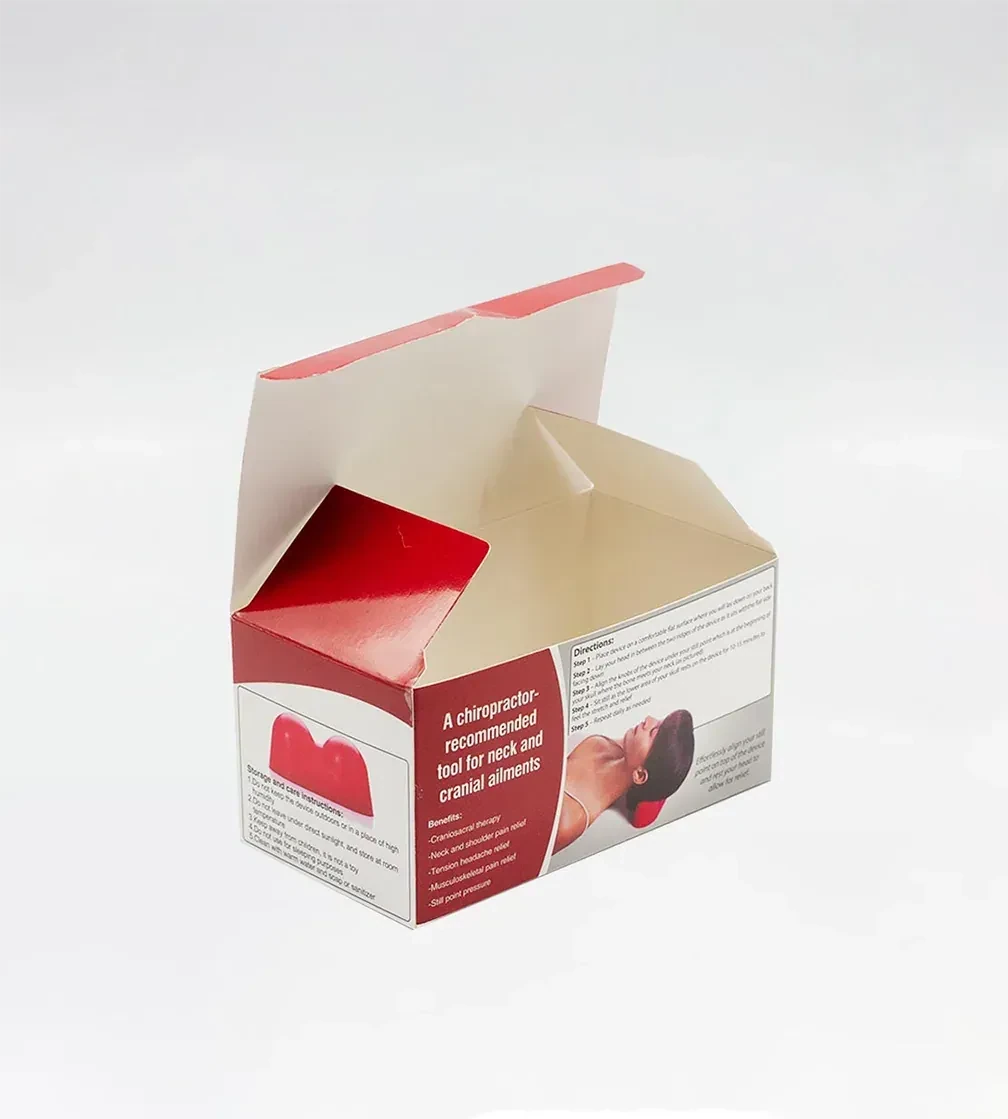
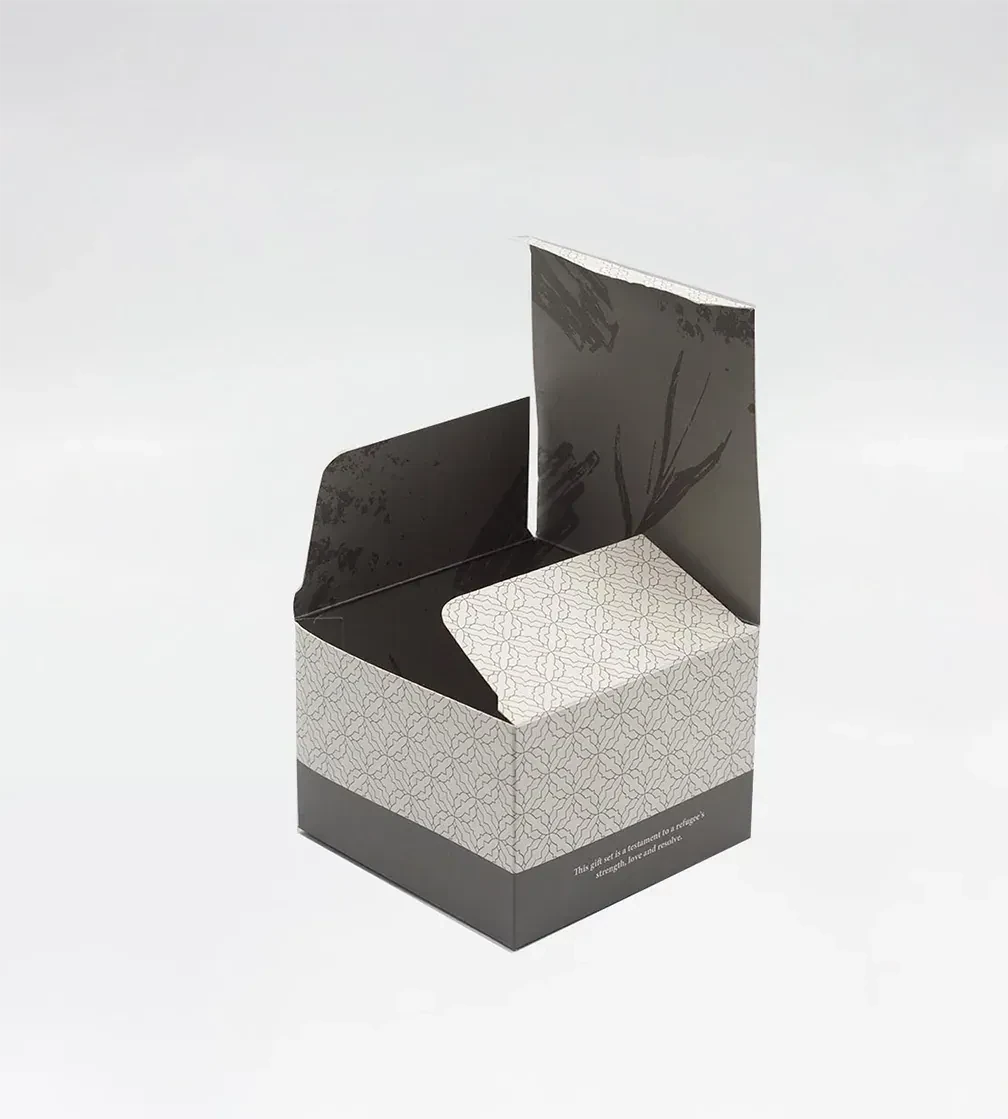
Open printed tuck-end carton with its main tab and dust flaps visible.
Compare the two tuck directions
On a straight tuck carton both main end flaps hinge from the same panel. On a reverse tuck carton the top and bottom flaps hinge from opposite panels. Open both ends of a white sample to confirm which arrangement matches your packing sequence.
Keep the display panel clean
Decide where the glue seam, barcode and opening edge should sit before the artwork is laid out. A long, narrow item may need extra clearance at the dust flaps even when the product fits within the nominal carton dimensions.
Custom Tuck End Boxes in Detail
Use these examples from other packaging suppliers to compare structures and finishes for your project.
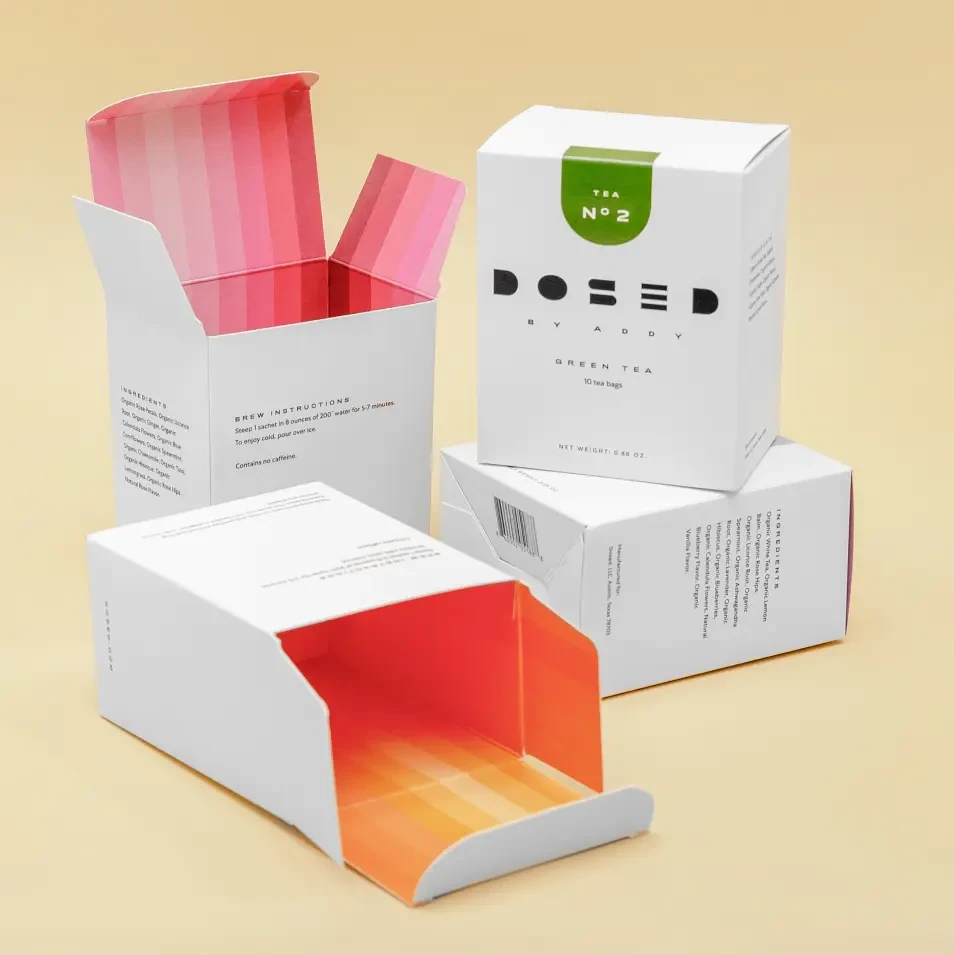
Printed cartons in open and closed positions.
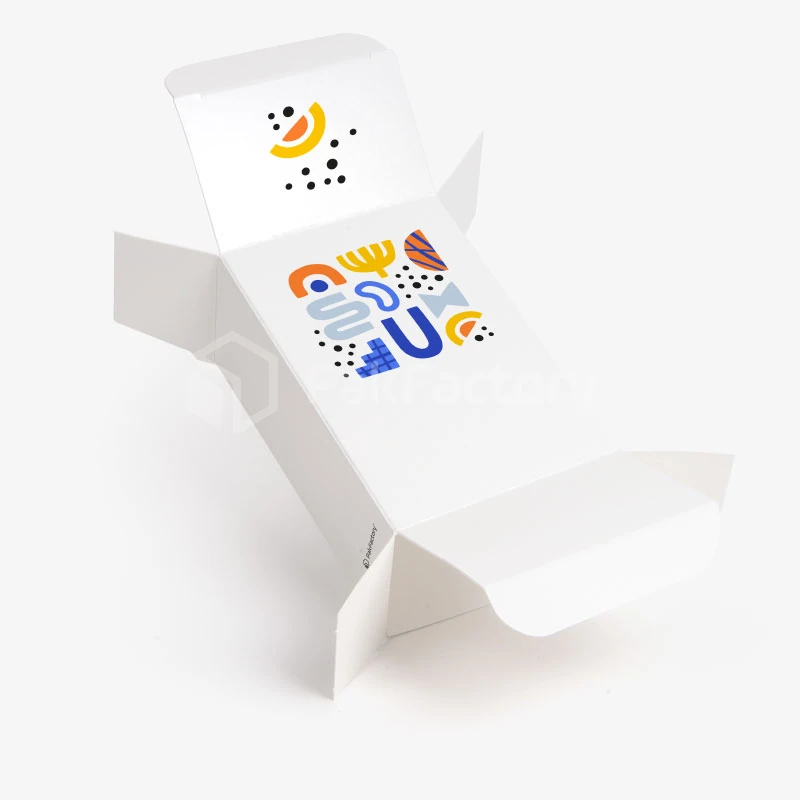
Unfolded white carton with its end flaps extended.
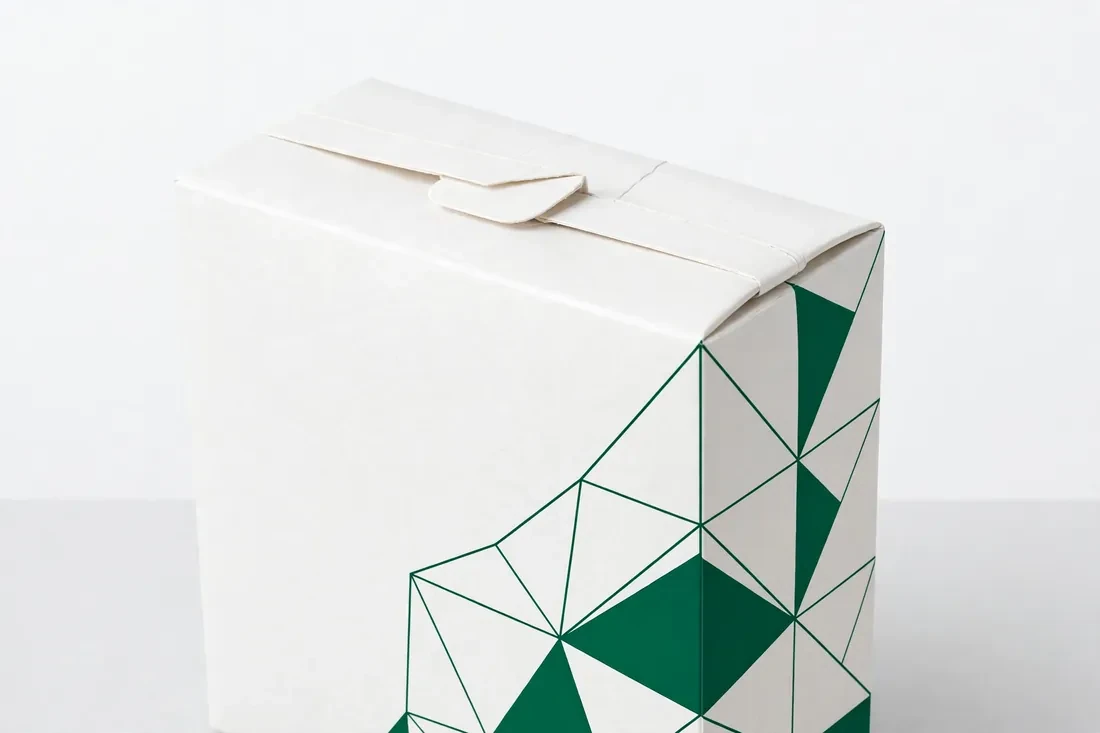
Close view of the top tuck closure and cut edge.
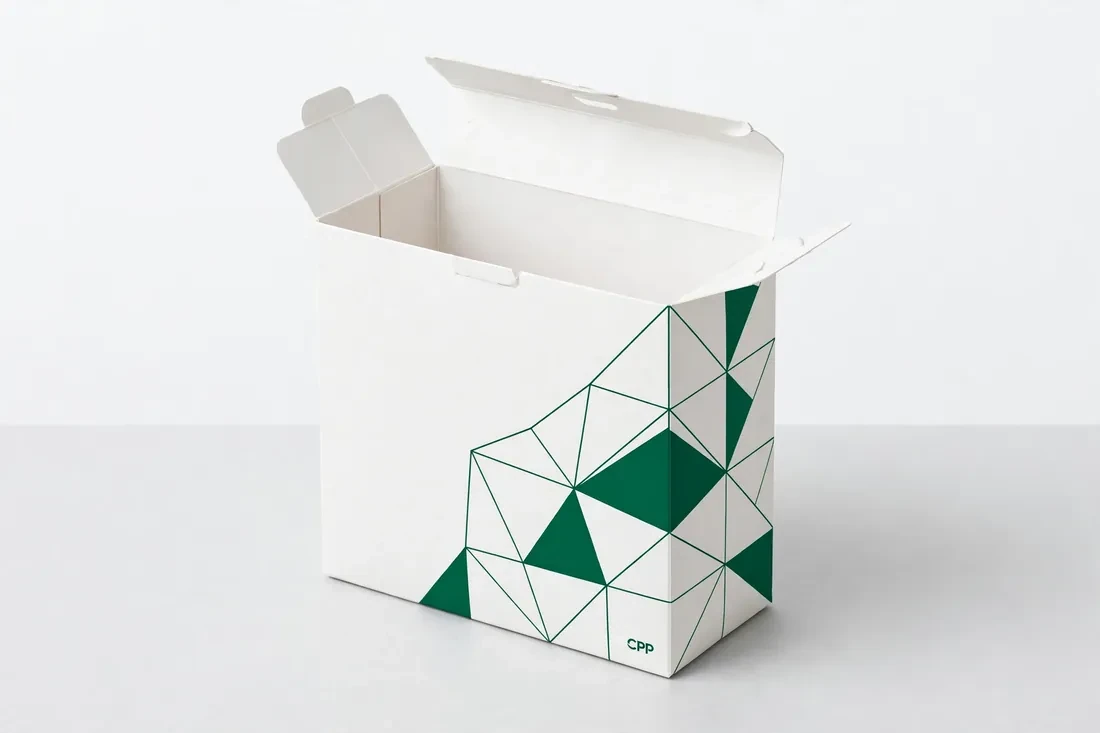
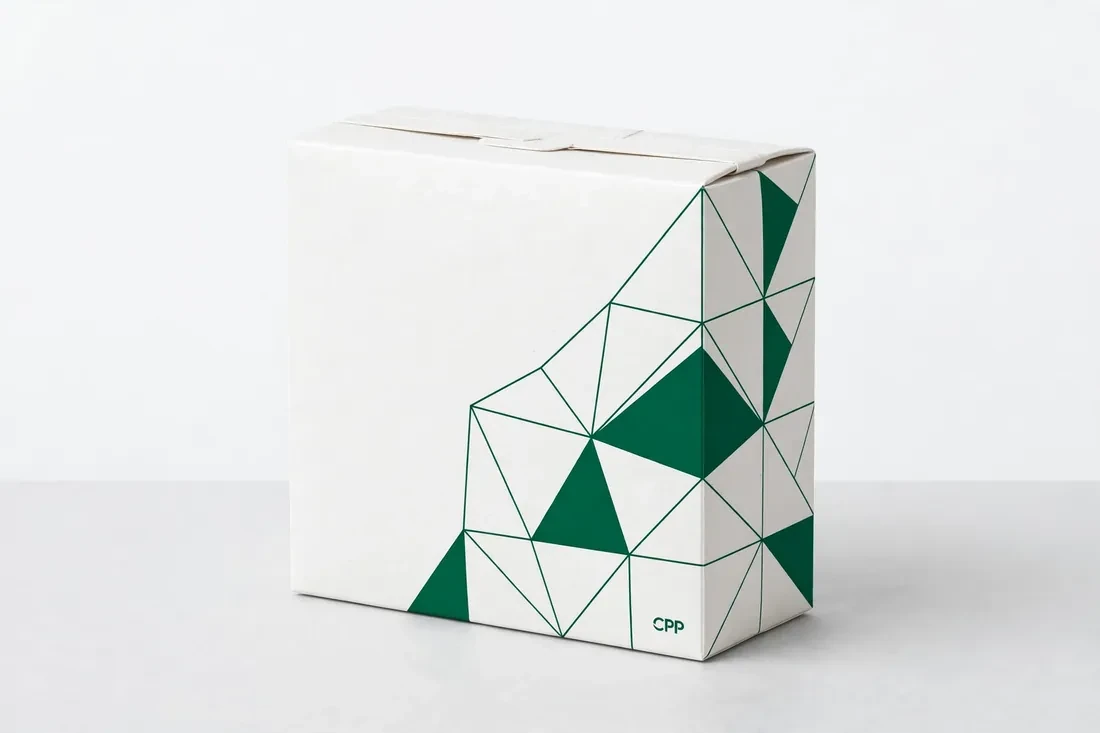
Assembled white carton with green artwork crossing a folded edge.
Printed carton with the large end flap and smaller side flaps open.
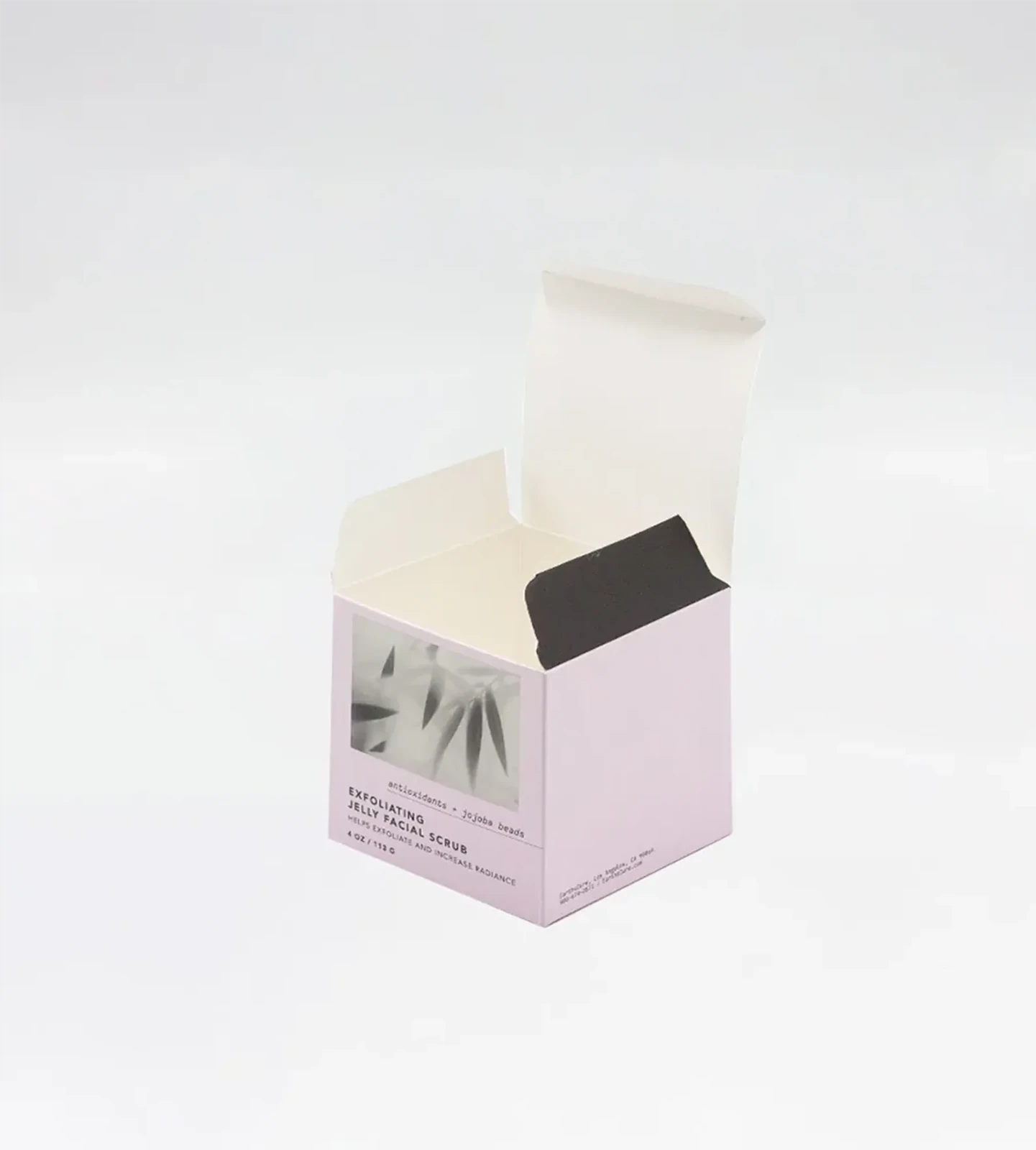
Pale folding carton showing the unprinted inside of the board.
Dark printed tuck carton with the side flaps folded inward.
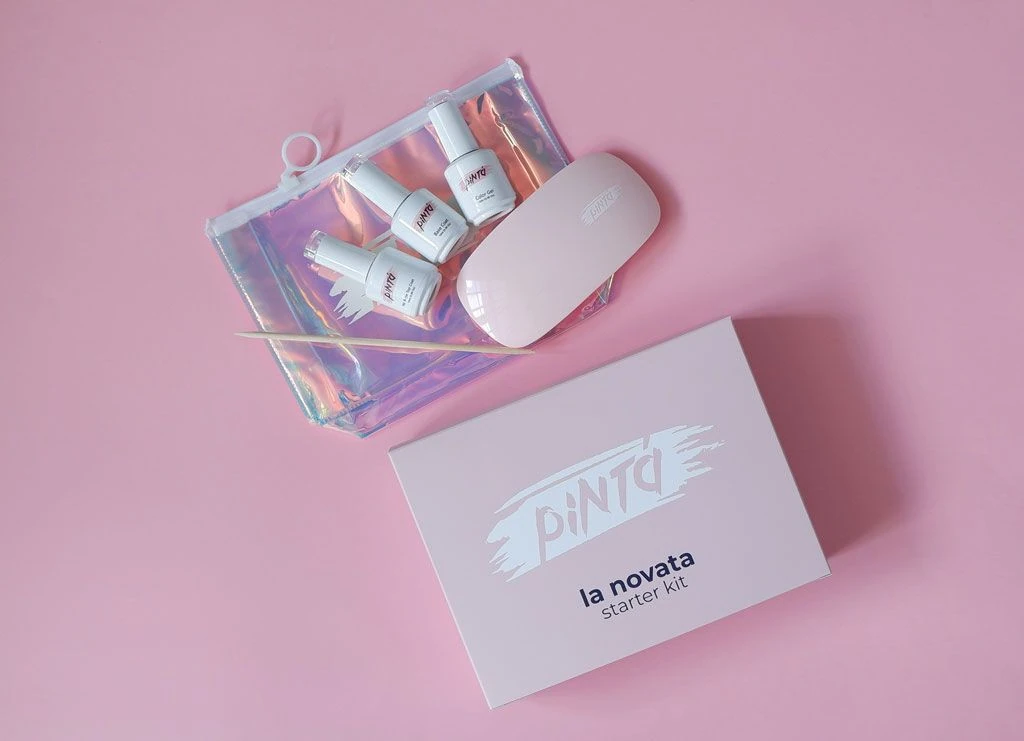
Pinta Beauty kit beside its printed reverse tuck carton.
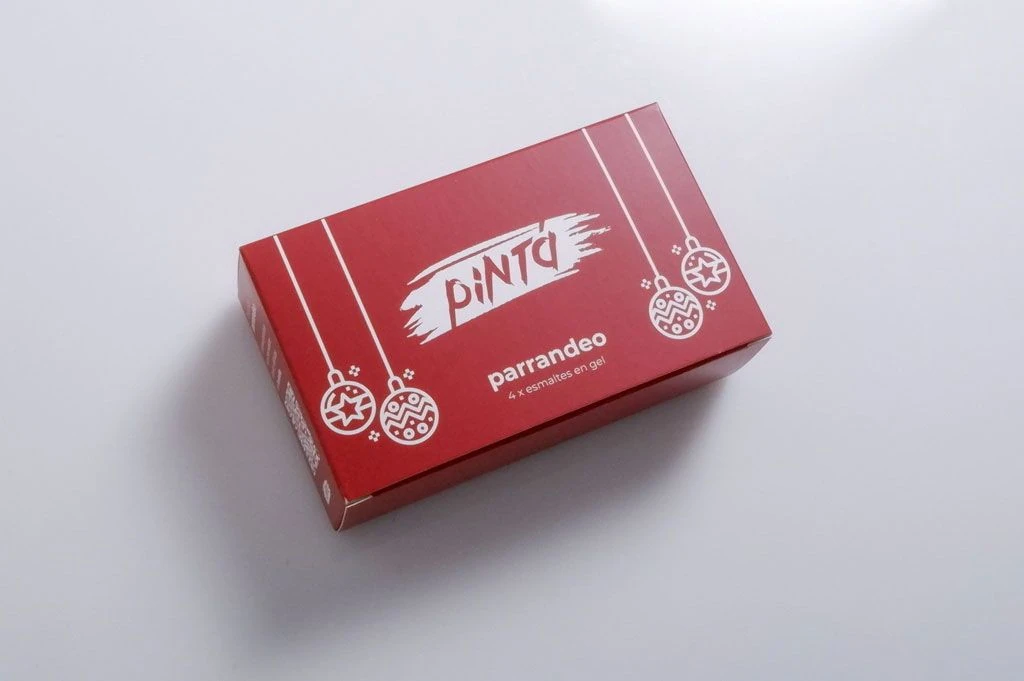
Red print version of the Pinta Beauty reverse tuck carton.
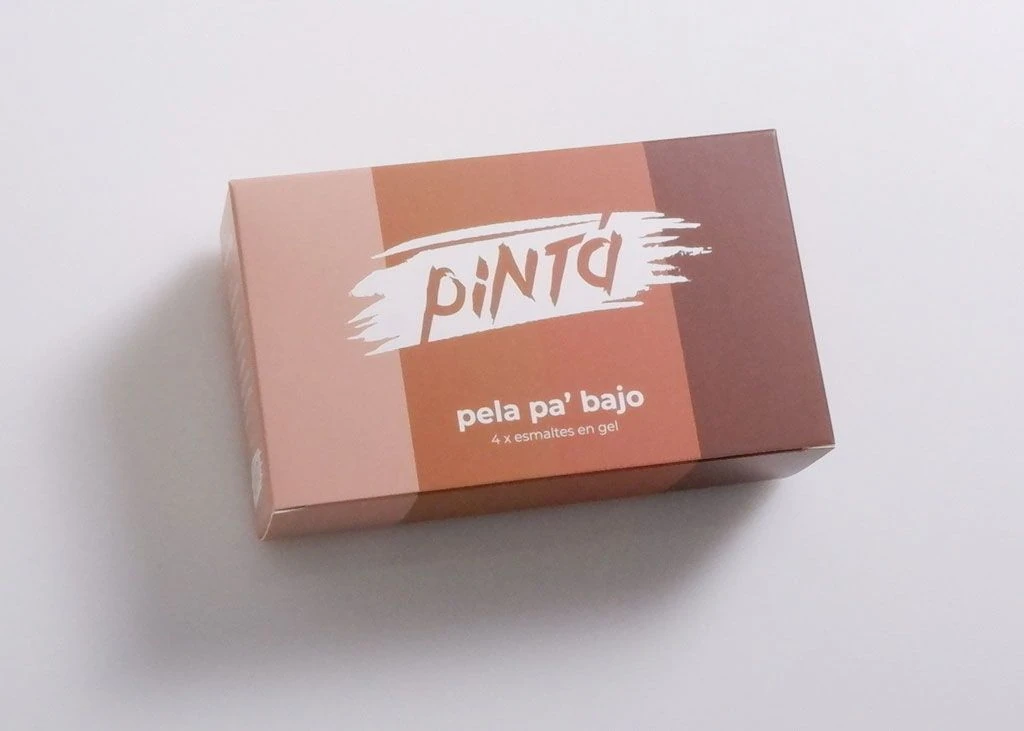
Alternative artwork on the same beauty carton format.
Buyer Questions
Can we use the same artwork on both structures?
The printed design can share a visual identity. Each structure needs artwork placed on its own approved dieline because the end panels and glue flap can move.
How do we check a carton for our packing line?
Supply the loading orientation and any machine constraints. Trial the sample with the real product and check squaring, flap closure and whether the front panel faces the right way.
Prepare a tuck carton quote
Include product dimensions, manual or machine loading, preferred tuck direction, grain or board requirements if specified, artwork versions and run quantities.