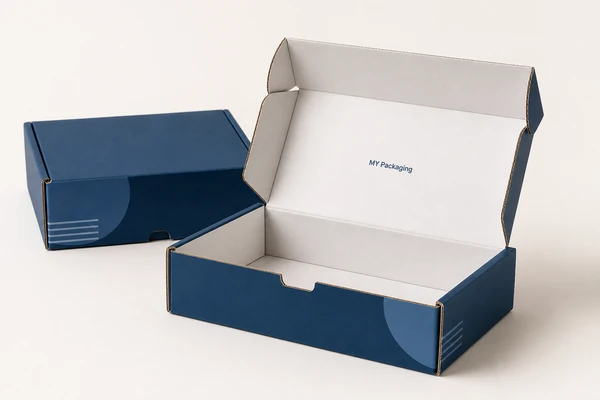
For a lightweight retail SKU, a folding carton is usually the first build to quote: it can arrive flat, run through a compatible packing line and use less inbound space. A rigid box can earn its added cost when a gift set needs a defined presentation, a fitted insert or a ready-to-pack shell. Compare the same product and acceptance criteria, with the cost measured per usable packed set.
What changes when you switch the construction?
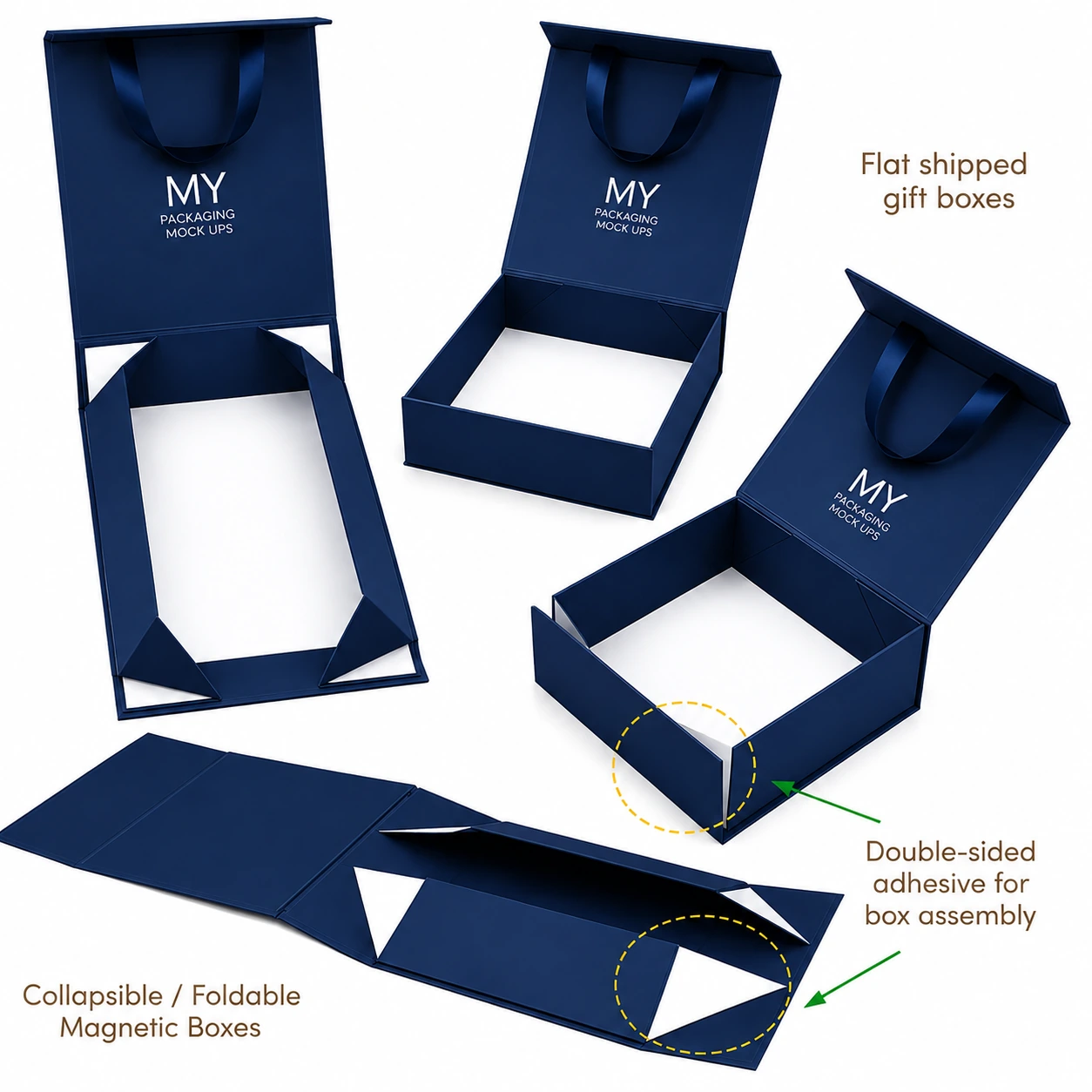
A folding carton is cut and creased from paperboard. It is often supplied as a flat glued blank and is erected at pack-out. A conventional rigid box uses formed board covered with a wrap and normally arrives built. A collapsible rigid design is a separate option. It can save inbound cube when shipped flat, and its setup time and assembled joints still need testing. Pro Carton’s folding-carton production guide explains the cutting, creasing and folding steps.
| Cost driver | Folding carton | Conventional rigid box |
|---|---|---|
| Board and conversion | Quote the board grade, caliper, crease, closure and print | Quote the core, wrap, assembly and lid or closure |
| Tooling | Die and any print or finishing setup | Board cutting and assembly tooling plus wrap and finish setup |
| Inbound volume | Ask for the folded stack and actual master carton dimensions | Ask for assembled shipper dimensions and nesting or voids |
| Packing labor | Time erection, insertion and closure at the real line | Time opening, inserting, tidying and closing at the real line |
| Product protection | Test retention and the outer shipping system | Test fit, corner wear and the outer shipping system |
Compare cost per usable packed unit
For each quote, add the packaging and insert, one-time setup divided by the planned order quantity, inbound freight, receiving and storage, and loaded packing labor. Include the shipper if it differs between options. Record expected scrap or replacement only when a pilot or past comparable run supports it. If freight is already included in your quote, carry that line once. Request carton count, loaded carton dimensions and gross weight to assess the inbound cost.
Here is a hypothetical comparison in US dollars. At 2,000 units, Build A costs $0.58 for the carton and insert, $0.10 per unit for setup, $0.15 for inbound and storage, and $0.18 for packing. The total is $1.01. Build B costs $1.17, $0.08, $0.30 and $0.09 on those same lines. The total is $1.64. The difference is $0.63 per set. For this order, a rigid upgrade would need a justified presentation or operating benefit worth that difference. Replace the illustrative inputs with actual quotes and a timed packing trial before making the decision.
Choose the construction by where it has to work
Start with a folding carton when the SKU is light and the line can erect and close it consistently. Test score cracking, insert movement and assembly time. Start with a rigid sample if a shallow tray, a lid that travels smoothly, or a precise gift-set reveal is part of the purchase requirement. Test wrapping at corners, lid alignment and how the insert holds the product after transport.
When freight volume pushes the rigid quote over budget, consider a collapsible rigid sample. Time hand assembly at the actual packing bench. If the extra assembly cancels the freight advantage, ask for a more space-efficient master-carton plan or reconsider the target construction.
Ask for two quotes against one test brief
Send product dimensions and weight, insert layout, art and finish, quantity by SKU, pack-out location and delivery destination. Give both vendors the same display, closure and transit acceptance criteria. Request a sample of each build and record seconds per pack, cartons per pallet and the condition of products after the required transit checks. Share your box brief to get both builds quoted against the same specification.